This is Core Technologies Description

Related Product 1: PCIe-PoE464at
Related Product 2: PCIe-PoE572bt
Related Product 3: PCIe-PoE425bt
Related Product 4: PCIe-PoE354at/352at
Related Product 5: PCIe-PoE334LP
Related Product 6: PCIe-PoE312M
Related Product 7: - Please select Product -
Related Product 8: - Please select Product -

Achieving 0% frame drop is essential in industries such as logistics, food processing, semiconductor manufacturing, and automated production lines, where inspection accuracy directly determines yield and operational performance.

When image data is incomplete, measurement consistency is affected and inspection workflows become unstable, often leading to incorrect judgments, rework, rescanning, or even production interruptions. The result is reduced throughput and operational downtime that could have been avoided. Even a 0.01% frame drop rate can result in over 5,000 missed inspections annually in a typical production line running 300 units per minute for eight hours a day, translating into significant financial losses.

At its core, achieving 0% frame drop depends on reliable connectivity across the entire system. It is not just about CPU performance, cameras and cables—the frame grabber plays a critical role. Poor thermal conditions can impact network controller performance, leading to packet loss and ultimately frame drop. In severe cases, cameras may even disconnect. Ensuring stable data transmission under all conditions is therefore fundamental.
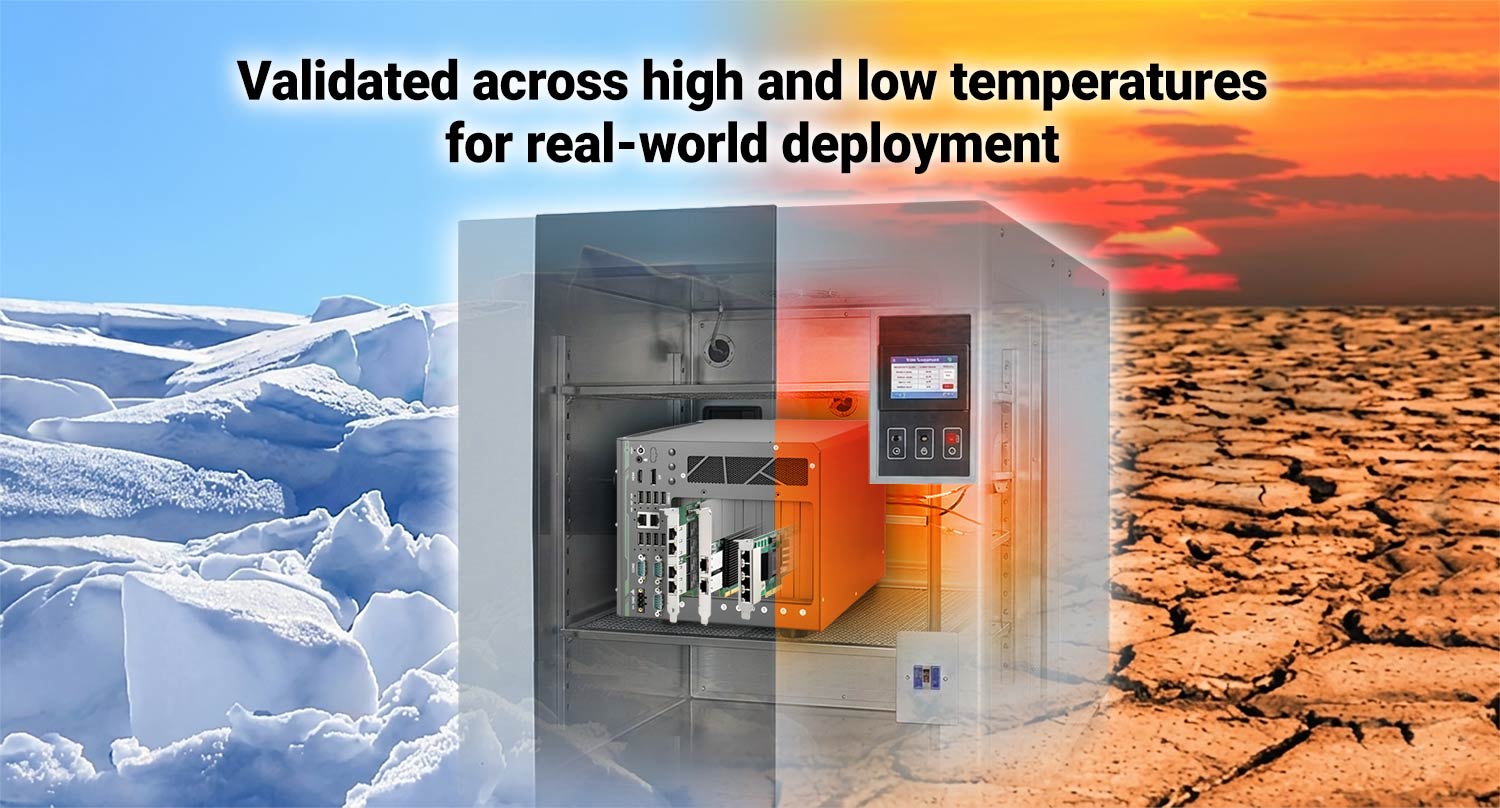
0% Frame Drop at High/ Low Temperature: The Secret Behind Neousys Frame Grabber Cards


The Validation Pass Criterion is 0% Frame Drop in Various Conditions

One of the most overlooked challenges in machine vision is the gap between lab testing and real-world deployment. Cameras in vision systems that achieve 0% frame drop at room temperature don’t imply reliable performance when deployed in industrial environments. Limited airflow, elevated ambient temperatures, and heat generated by surrounding components create much harsher conditions than those found in controlled test setups.

At the same time, real applications demand more from the system: higher camera counts, increased resolution, faster frame rates, and continuous operation over long durations. Under these conditions, the frame grabber becomes a critical component for maintaining data integrity.

For Neousys, 0% frame drop under high/ low temperature conditions is not a best-case scenario, it is a basic validation pass criterion. Systems are tested with real camera configurations and must demonstrate stable, lossless performance over extended periods in harsh conditions. This ensures what works in validation will also work reliably in real-world deployments.


Engineering for 0% Frame Drop: Thermal, Power, and CPU Offload

Achieving zero frame loss requires a holistic design approach that addresses thermal management, power stability, and signal integrity.

We prioritized thermal management from the initial stages of the PCBA design. Heat sources are strategically managed to avoid hotspots, and efficient thermal conduction paths are designed to maintain stable operating temperatures even in constrained environments. Proper thermal interface materials are selected for different components to ensure consistent performance over time.

Power design is equally important. Inefficient power conversion generates excess heat and can compromise system stability. Neousys uses high-efficiency power architectures and components rated for wide temperature ranges, ensuring reliable operation in harsh conditions. Additional power margin is built into the system to handle peak loads safely. Features such as per-port PoE control allow individual cameras to be reset without shutting down the entire system, reducing downtime and improving maintainability.

Classic Ethernet protocols rely on the CPU for packet processing. For high-bandwidth applications, such as a machine vision system connected to multiple 10GigE cameras, we integrated RDMA-enabled Ethernet controllers to reduce CPU loading, even when running CPU-intensive algorithms.

Together, these design elements ensure that image data is transmitted without loss, even in demanding scenarios.


Rugged Wide-Temp Verification: From Lab to Real-World Deployment

Neousys validation goes beyond basic functionality testing and focuses on real-world deployment conditions.

Test Item Condition What is Verified
High-Temperature Stress Test Continuous operation at high temperatures under maximum workload for 48+ hours 0% frame drop and system stability during prolonged heavy usage, stimulating real-world deployment scenarios, ensuring long-term reliability without performance degradation
High-Temperature Reboot Test Max ambient operating temp. and successfully reboots over 1500+ times Ensure the system successfully reboots and the frame grabber card is consistently detected at the correct link speed and operates at full bandwidth, after exposure to extreme heat.
Cold-Boot Test Cool the system to the minimum ambient operating temperature for 4 hours, then perform hourly reboot tests and verify PCIe device detection and link speed for over 20 cycles. Ensure the system successfully reboots and the frame grabber card is consistently detected at the correct link speed and operates at full bandwidth, after exposure to extreme cold conditions.
0% frame drop Verify no frame loss during a test period of at least 3 days. Fine-tune the Ethernet controller driver interface settings, including MTU, send/receive buffers, power management settings, and OS environment configuration.

This comprehensive validation approach ensures not just proper functionality, but deployment-level reliability that give users confidence that the system will perform consistently in the field.


Scalable Vision Systems: From GigE to 10GigE

Neousys offers frame grabber solutions across GigE, 2.5GigE, 5GigE, and 10GigE interfaces, all built on the same design philosophy and validation standards. This ensures consistent performance and reliability regardless of bandwidth requirements. To support diverse deployment scenarios, Neousys provides flexible hardware options, including standard PCIe form factors, full-height and low-profile designs, and different connector types such as RJ45 and M12. Multi-card configurations are also supported, enabling scalable system design for applications ranging from small setups to large, high-throughput installations.
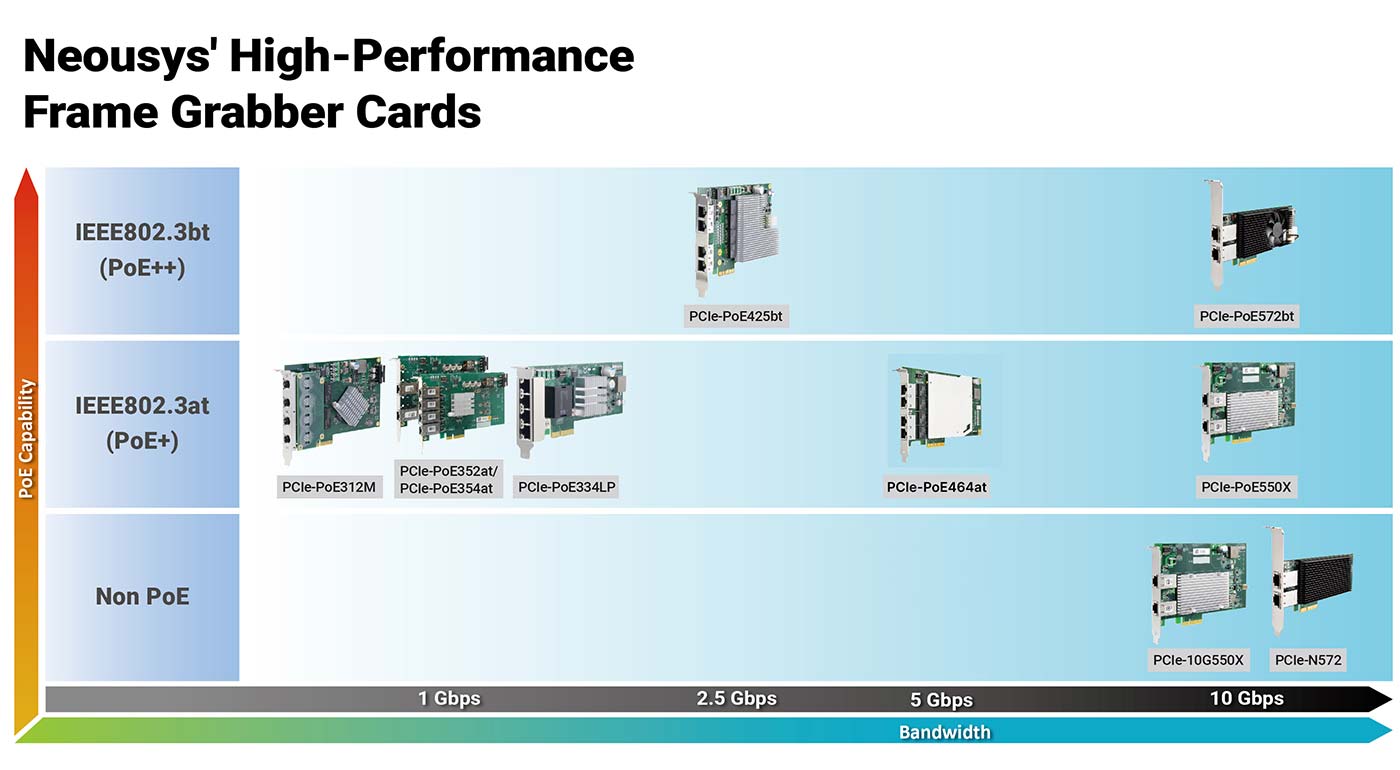
Scalable Vision Systems: From GigE to 10GigE


Neousys Solutions for Machine Vision and Automation

Ultimately, achieving 0% frame drop at high/ low temperature translates directly into operational and business benefits. It enhances data integrity and inspection quality, reduces false rejects, lowers maintenance requirements, and increases production throughput and profitability.

Neousys delivers not only high-reliability frame grabbers but also complete system solutions, including industrial PCs designed for machine vision applications such as automated optical inspection, robotic guidance, sorting, and AI-based inspection. These platforms are built for wide temperature operation, compact environments, and long-duration use, ensuring they meet the demands of real-world industrial deployment.

In applications where every frame matters, Neousys provides a solid foundation for reliable, high-performance automation by ensuring no frame is lost, even under the most demanding thermal conditions.
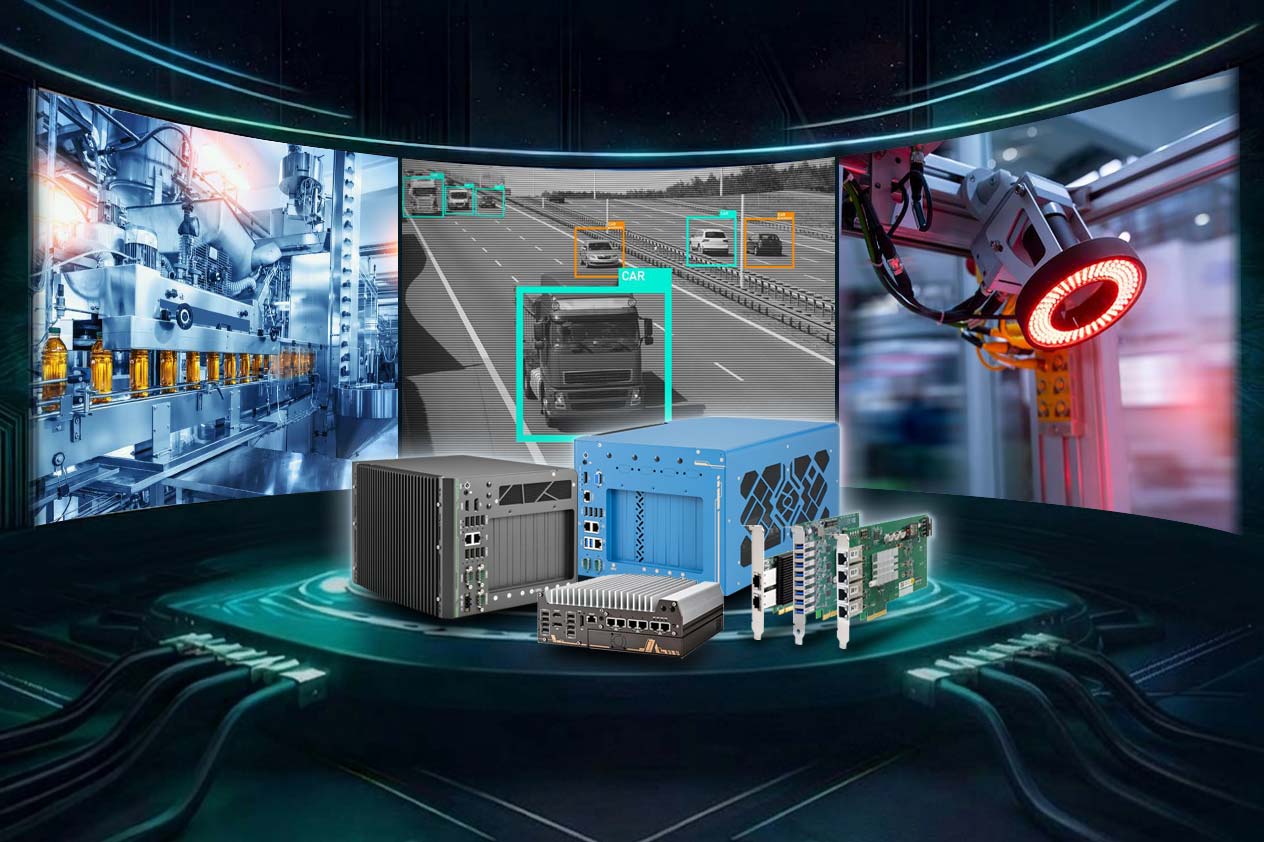
Neousys Solutions for Machine Vision and Automation

Related Product 1: RPM-450
Related Product 2: Nuvo-9160GC Series
Related Product 3: Nuvo-10108GC Series
Related Product 4: - Please select Product -
Related Product 5: - Please select Product -
Related Product 6: - Please select Product -
Related Product 7: - Please select Product -
Related Product 8: - Please select Product -

Key Takeaways

  • As vehicle applications continue to demand higher GPU performance, stable and clean electrical power delivery becomes a fundamental system requirement rather than an optional design consideration.
  • In GPU-based vehicle systems, electrical power instability presents a latent risk—even when failures have not yet surfaced in early deployments.
  • RPM-450 mitigates this risk through front-end electrical power conditioning, protecting high-power GPU systems from voltage fluctuation before failures occur in field deployments.

As GPU computing becomes essential for vehicle-based AI applications, system designers tend to focus on processing capability, GPU selection, and thermal management. Yet in real-world deployments, system instability is often traced back to a far less visible factor: unstable power input. In vehicle environments, electrical power sources are inherently unstable and rarely clean by default. As GPU performance scales upward, electrical power stability becomes mission-critical.


The Growing Role of GPUs in Vehicle Applications

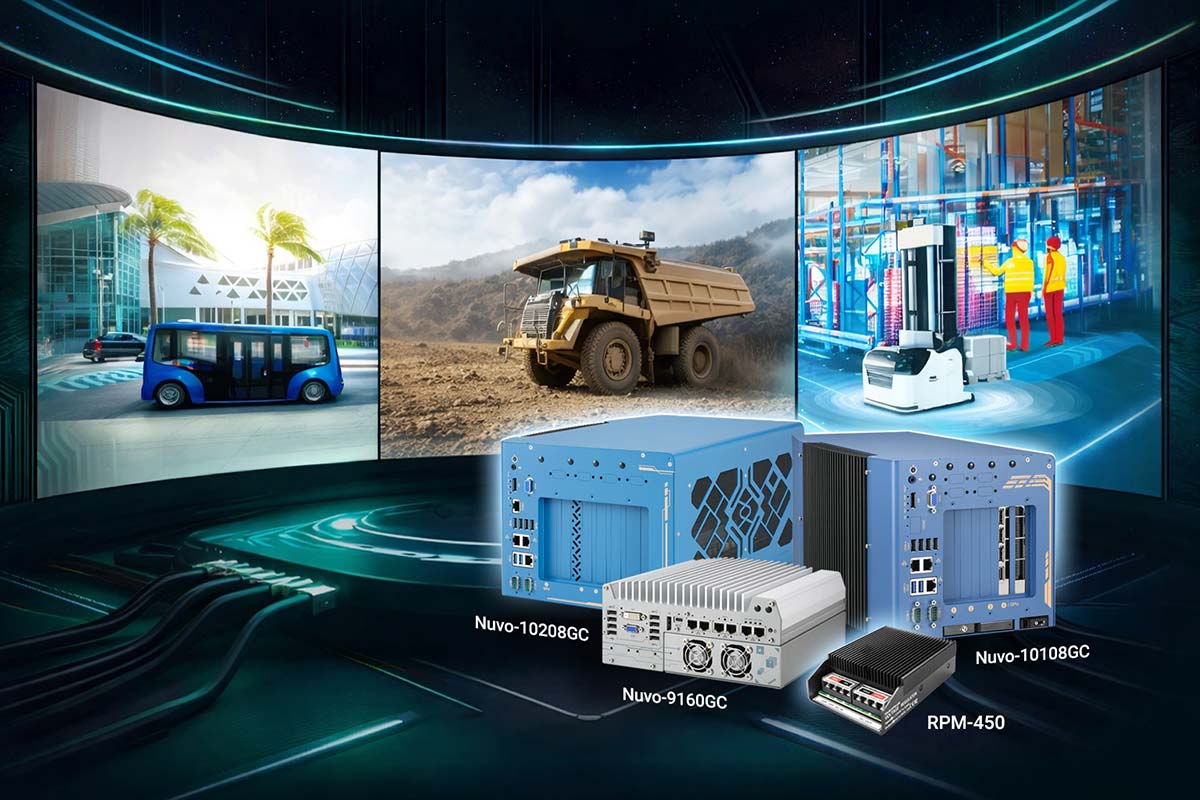
High-performance GPU computers are often deployed in vehicles to support AI-driven applications such as ADAS and autonomous perception, smart transportation systems, and off-highway vehicles used in smart agriculture, mining, and construction. These applications rely on real-time vision processing, sensor fusion, and on-site analytics. To meet these demands, system integrators adopt high-power GPU platforms such as Nuvo-9160GC and Nuvo-10108GC for reliable vehicle-based AI computing.


High Compute Power Exposes a Critical Weakness: Vehicle's Electrical Power Delivery

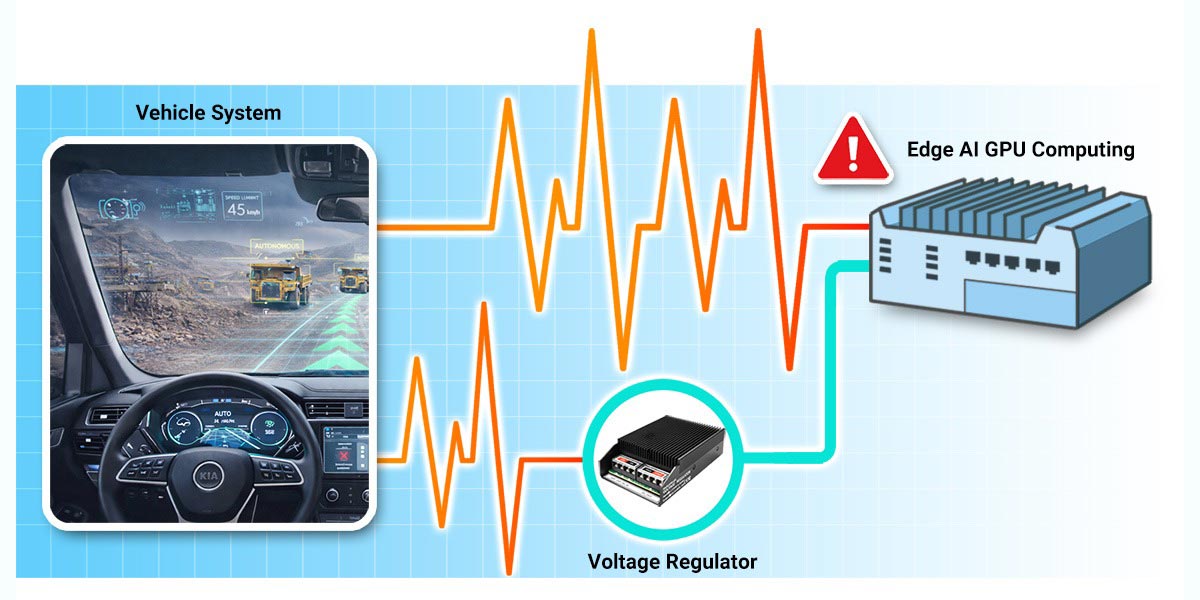
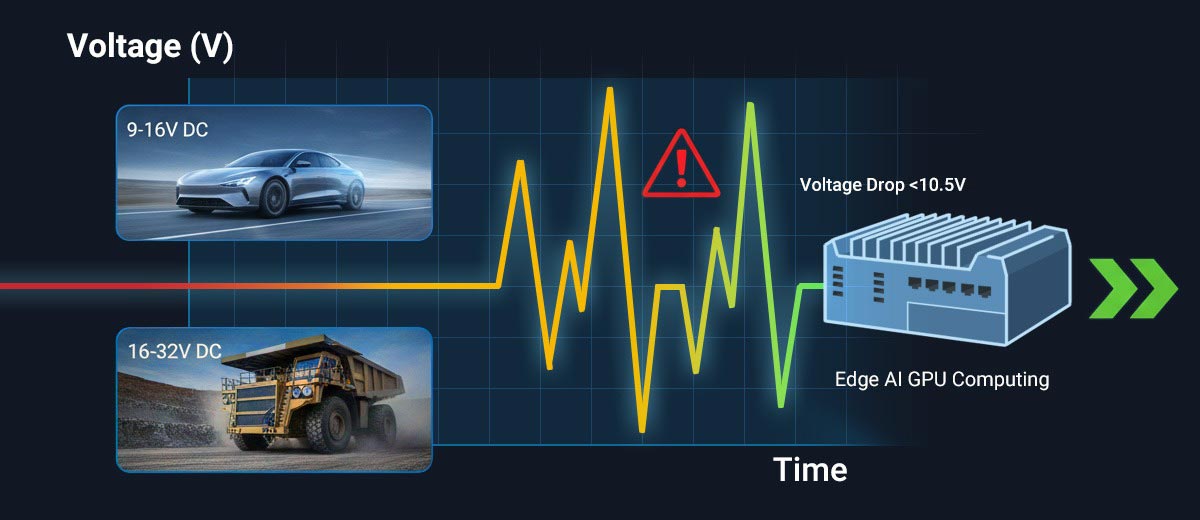
As GPU capability increases, overall electrical power demand rises accordingly. Under heavy workloads such as AI inference, video analytics, and sensor fusion, GPU systems operate across a wide and highly dynamic load range, resulting in substantial current demand at the system level. In vehicle environments, electrical power instability originates from the vehicle electrical system itself. During vehicle operation, factors such as engine cranking, load switching, vibration, and different operating phases can cause the supply voltage to fluctuate or momentarily drop—in some cases falling to 10 V or even below. In addition to operational conditions, voltage drop caused by power distribution wiring—such as cable resistance, connector losses, and routing length—is another frequently overlooked contributor to supply voltage degradation, particularly under high current load.

When such voltage sag occurs, high-power GPU systems draw increased current to maintain operation, significantly amplifying the impact of transient power disturbances.

As a result, even millisecond-level voltage drops or transient disturbances can trigger GPU card disconnections, PCIe dropouts, system freezes, unexpected shutdowns, data corruption, or data loss—leading to costly downtime and potential hardware damage. GPU systems do not generate electrical power instability; however, under heavy and dynamic loads, they significantly reduce the system's tolerance to unstable input electrical power. This challenge does not originate from GPU architecture itself, but from inadequate electrical power conditioning at the system input level.


Why Clean and Stable Electrical Power Matters

High-performance GPU systems are significantly less tolerant of power instability than traditional embedded computers. As electrical power demand increases, the margin for voltage fluctuation rapidly diminishes. Providing clean and regulated voltage before power reaches the GPU computer is essential to prevent voltage drop–induced failures, protect GPU cards and PCIe components, and maintain system uptime in harsh vehicle environments. Without proper front-end electrical power conditioning, even the most advanced GPU system cannot deliver reliable performance in real-world vehicle deployments.


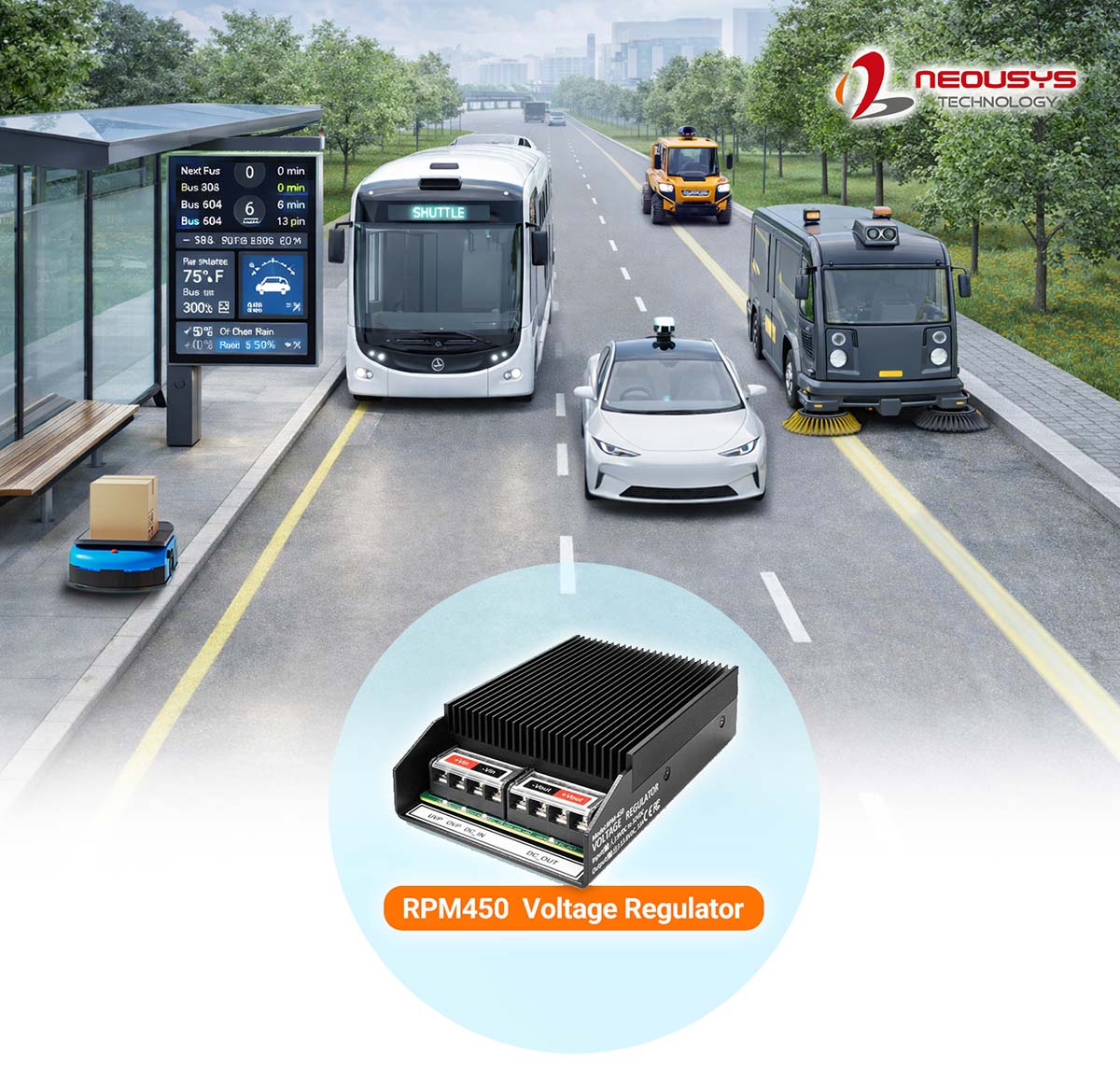
RPM-450 : Front-End Electrical Power Conditioning for GPU Computer in Vehicle

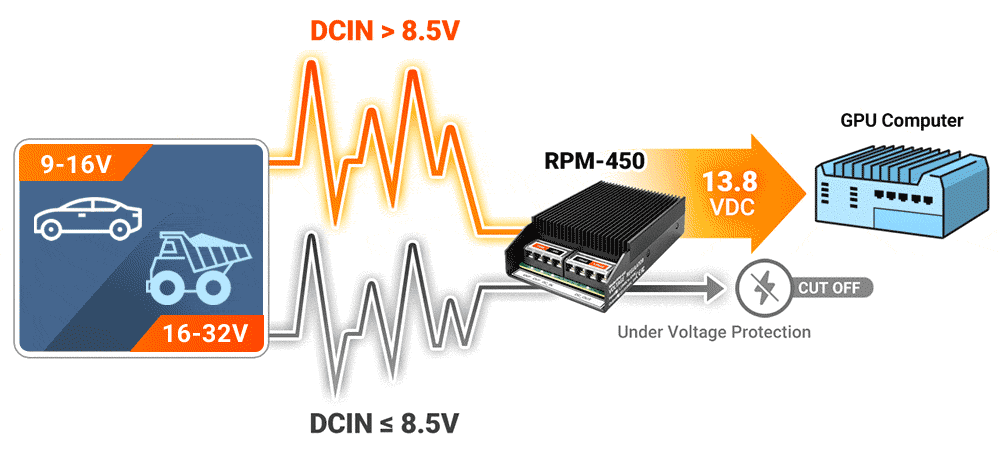
RPM-450 is a rugged, high-power DC power module designed specifically to solve this challenge. RPM-450 implements a clearly defined Undervoltage Protection (UVP) mechanism to prevent unstable vehicle power from propagating to back-end high-power systems and devices. When the input voltage drops below 8.5 V, RPM-450 performs a precise and controlled shutdown, fully disconnecting the output rather than bypassing degraded or collapsing voltage downstream. This ensures that connected systems are cleanly powered off instead of operating under undervoltage conditions that could lead to unpredictable system behavior, interface instability, data corruption, or long-term hardware stress. Once the input voltage recovers to 8.9 V or above, RPM-450 automatically restores output power in a controlled manner, allowing the system to resume normal operation without manual intervention. By enforcing defined undervoltage thresholds at the system power entry point, RPM-450 converts inherently unstable vehicle power into a predictable and well-managed input source for high-power computing platforms and peripheral devices.

RPM-450 provides:

  • Wide 9–32VDC input, ideal for vehicle electrical power sources
  • 450W Full load power support even at 9V input
  • Stable and clean 13.8V output to protect high-performance GPU systems and high-power devices
  • Millisecond-level MCU monitor and smartly manage DC supply to backward devices with UVP/OVP/SCP/OCP protection
  • Reliable operation in harsh temperatures from -25°C to 70°C
  • Compatible with third-party IPCs

Unlike conventional power supplies, RPM-450 enforces strict voltage boundaries at the system power entry point, ensuring that only clean and regulated voltage is delivered downstream, while undervoltage and overvoltage conditions are deliberately blocked rather than bypassed.


Preventing GPU System Failure with Clean, Stable Electrical Power

By stabilizing voltage before it reaches the GPU computer, RPM-450 prevents common failure scenarios in vehicle-based high-power systems, including GPU card dropouts under heavy load, unexpected shutdowns during ignition or power dips, data loss in recording and analytics workloads, and long-term hardware degradation. As an ideal front-end power solution for Neousys GPU platforms such as Nuvo-9160GC and Nuvo-10108GC, RPM-450 completes a vehicle-ready GPU computing architecture—from clean, regulated electrical power input to dependable AI acceleration output.


Frequently Asked Questions (FAQ)

  • Why is front-end power conditioning required for in-vehicle GPU systems?
    Vehicle power is unstable by nature. High-power GPUs have low tolerance for voltage fluctuation, and even brief voltage drops can cause system crashes, GPU dropouts, or data loss. Front-end power conditioning prevents unstable voltage from reaching the GPU system.

  • Why do voltage dips become critical under GPU workloads?
    Under heavy AI workloads, GPUs draw high and dynamic current. When voltage drops, current demand increases, amplifying transient disturbances and triggering system instability or shutdowns.

  • How does RPM-450 solve this problem?
    RPM-450 enforces defined undervoltage protection at the power entry point. It disconnects output when input voltage drops below 8.5 V and automatically restores power at 8.9V, ensuring only clean and stable power reaches the GPU system.

  • What makes RPM-450 different from conventional power supplies?
    Unlike power supplies that pass unstable voltage downstream, RPM-450 blocks undervoltage conditions by design and delivers regulated 13.8 V output, protecting high-performance GPU platforms in vehicle environments.

Related Product 1: Nuvo-10108GC Series
Related Product 2: Nuvo-10208GC Series
Related Product 3: Nuvo-9160GC Series
Related Product 4: RPM-450
Related Product 5: - Please select Product -
Related Product 6: - Please select Product -
Related Product 7: - Please select Product -
Related Product 8: - Please select Product -

GPU Platforms Built to Thrive in Autonomous and Mobile AI Applications

Introduction: Bringing High-Performance GPU Computing into Vehicles


Autonomous driving and mobile AI applications often necessitate advanced GPU computing capabilities inside vehicles to handle sensor fusion, real-time decision-making, and AI inference workloads. Unlike traditional indoor computing environments, vehicles operate under constantly changing conditions—uneven terrain, long-term vibration, elevated ambient temperatures, and unstable power sources all place significant stress on high-performance systems.

The Neousys embedded GPU computers are engineered specifically for these real-world vehicle environments. By combining robust mechanical design, purpose-built thermal architecture, and stable high-power support, the GC series enables reliable GPU computing in vehicles while simplifying deployment and long-term operation.


Solving the Core Challenges of In-Vehicle GPU Computing

Vibration-Resistant Design for Heavy, High-End GPUs

Vibration is one of the most critical challenges in vehicle computing, particularly for GPU-based systems. In real-world deployments—such as off-road vehicles, industrial fleets, or autonomous machine operating environments are inherently uneven and dynamic. These conditions introduce sustained vibration forces from multiple directions, including vertical movement, which can gradually degrade mechanical interfaces and signal stability. As a result, system and mechanical design must be engineered to withstand multi-axis vibration to maintain long-term reliability.

This challenge becomes more severe as modern GPUs continue to grow in size and weight. A GPU is no longer just an electrical component—it is a significant mechanical load, with supported GPUs ranging in weight, some reaching over 2 kg each. If the GPU, platform, and enclosure are not designed as a unified structure, long-term operation can result in connector fatigue, unstable signals, or unexpected system failure.

Neousys' GC series addresses this at the system level:

  • GPU mounting structures are reinforced to ensure secure fixation points, even for large, heavy GPUs.
  • Mechanical design considers the GPU, platform, and enclosure as a unit, and not individual components in isolation.
  • Each supported GPU is validated for long-term stability under vibration, ensuring reliability throughout the system's lifecycle.

By focusing on structural integrity as much as electrical performance, the GC series delivers dependable GPU computing in environments where vibration is unavoidable.


Neousys GPU Computer Vibration/ Shock Test

High-Power Delivery Designed for Next-Generation GPUs
The GC series adopts a GPU-aware thermal design

Purpose-Built Thermal Architecture for High-Power AI Workloads

Heat management inside vehicles is inherently challenging. Ambient temperatures can be high, airflow is limited, and AI workloads place sustained demand on CPU/ GPU that generate substantial waste heat.

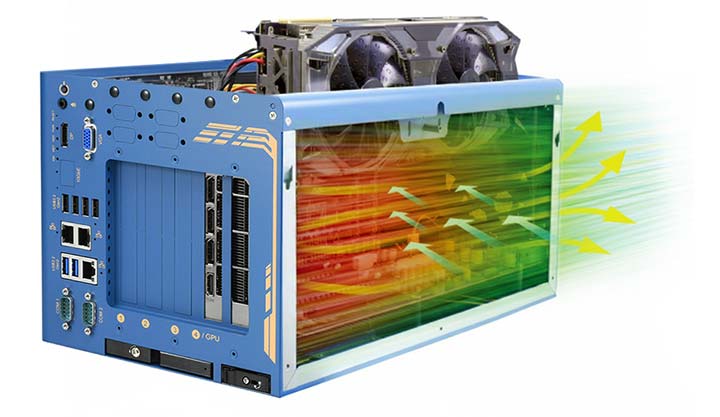
Adding complexity, GPU cooling designs vary widely—some rely on passive cooling, others use dual-fan or triple-fan configurations, each with different airflow directions and exhaust behavior. A one-size-fits-all enclosure design is simply not sufficient.

The GC series adopts a GPU-aware thermal design approach:

  • Airflow paths are designed to match the cooling characteristics of each supported GPU.
  • Internal thermal solution design ensures heat is efficiently removed from CPU, GPU, and the power circuitry.
  • Mechanical rigidity is maintained without obstructing airflow, preserving both thermal and vibration performance.

This design enables GC systems to sustain high GPU utilization without thermal throttling, even in high-temperature in-vehicle environments.

High-Power Delivery Designed for Next-Generation GPUs

As AI models grow in complexity, GPU power requirements continue to rise. Supporting today's and tomorrow's high-compute GPUs requires more than just higher wattage—it demands stable, high-quality power delivery under challenging conditions.

The GC series is designed to:

  • Accommodate modern high-performance GPUs with demanding power requirements
  • Integrate high-quality power components that maintain stability during continuous, high-load operation

Stable Vehicle Electrical Power with RPM-450

Stable Vehicle Electrical Power with RPM-450

While the GC series focuses on system-level GPU reliability, certain deployments benefit from an additional layer of power conditioning—especially in vehicles where electrical power fluctuations are frequent.

RPM-450 serves as a power gatekeeper at the system front end, enforcing strict voltage boundaries and ensuring that only clean and stable electrical power is allowed to reach downstream systems. Rather than passing through degraded, undervoltage, or overvoltage conditions, RPM-450 actively isolates connected devices from unstable vehicle power.

Designed to support Neousys’ GPU computing platforms such as Nuvo-10108GC and Nuvo-9160GC, RPM-450 provides a controlled and well-managed power interface for high-power system configurations, where reliable operation depends on predictable and regulated input power.


RPM-450 provides:

  • Acceptance of wide vehicle electrical input voltage ranging from 9V to 32V
  • 450W Full load power support even at 9V input
  • Stable and clean 13.8V output to protect high-performance GPU systems and high-power devices
  • Millisecond-level MCU monitor and smartly manage DC supply to backward devices with UVP/OVP/SCP/OCP protection
  • Reliable operation in harsh temperatures from -25°C to 75°C
  • Compatible with third-party IPCs

In these configurations, the RPM-450 complements the GC series by providing clean, consistent power delivery, enabling the system to fully leverage its high-power GPU design. Rather than treating power delivery as an afterthought, Neousys designs GC systems to ensure GPUs can operate at full performance—even when vehicle power conditions are far from ideal.


Conclusion: Designed for Real-World Deployment

The Neousys embedded GPU computers are built with a clear understanding of real world in-vehicle environments, not just theoretical specifications. By addressing vibration, thermal management, and GPU support as an interconnected system, the GC series delivers reliable AI computing where it matters most.

Combined with appropriate power solutions such as RPM-450 for specific system configurations, Neousys provides a complete, deployment-ready platform for autonomous driving, mobile AI, and edge inference applications in the harshest conditions.


Related Product 1: - Please select Product -
Related Product 2: - Please select Product -
Related Product 3: - Please select Product -
Related Product 4: - Please select Product -
Related Product 5: - Please select Product -
Related Product 6: - Please select Product -
Related Product 7: - Please select Product -
Related Product 8: - Please select Product -


永續發展政策


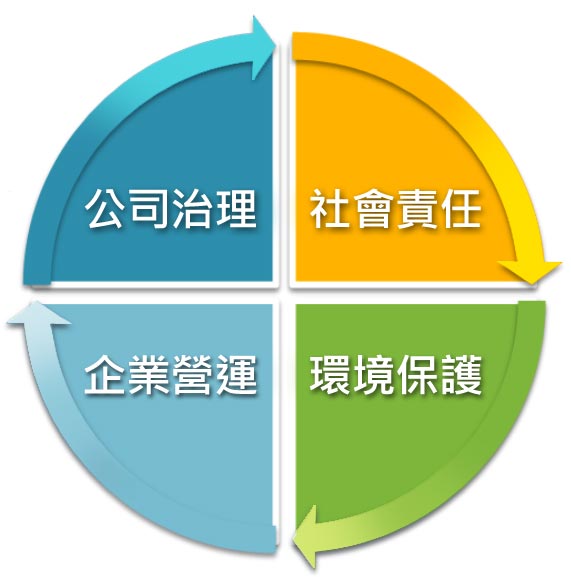
宸曜科技一向秉持創新、不斷精進的態度,致力於研發更貼近市場需求的強固型邊緣運算電腦,提供給全世界先進應用整合者,實現智能應用,以科技持續改善人類生活。作為企業公民,宸曜科技不僅注重在專業領域做出貢獻,更致力於善用企業資源,履行多元化的企業社會責任,攜手全球推動永續發展。為了落實永續發展,宸曜科技根據公司制定之「永續發展實務守則」,承諾在環境保護(E)、社會責任(S)、 公司治理(G)方面積極發展。並且,為了更具體地落實企業永續發展政策,我們更進一步制定了以下四個發展範疇,期望能夠透過這些範疇兌現我們對永續發展的承諾:


公司治理

  • 嚴格遵守「公司治理實務守則」
  • 強化董事會結構與運作
  • 維護公司股東和利害關係人之權益
  • 提升資訊透明度
  • 落實誠信經營

企業營運

  • 推動創新與智能發展
  • 提升企業營運數位力
  • 制定企業風險管理政策
  • 優化供應商管理政策
  • 推動企業無紙化政策
  • 推動綠色製造
宸曜四個永續發展範疇

社會責任

  • 制定明確人權政策
  • 制定符合法規之職業安全衛生措施
  • 建立多元化及均等機會的工作環境
  • 提供全面的教育訓練課程
  • 建立員工定期溝通對話之管道
  • 定期舉辦公益活動

環境保護

  • 制定環境保護政策
  • 定期追蹤企業用電量及碳排放量
  • 落實節能減碳措施
  • 定期舉辦環境保護活動

永續發展委員會


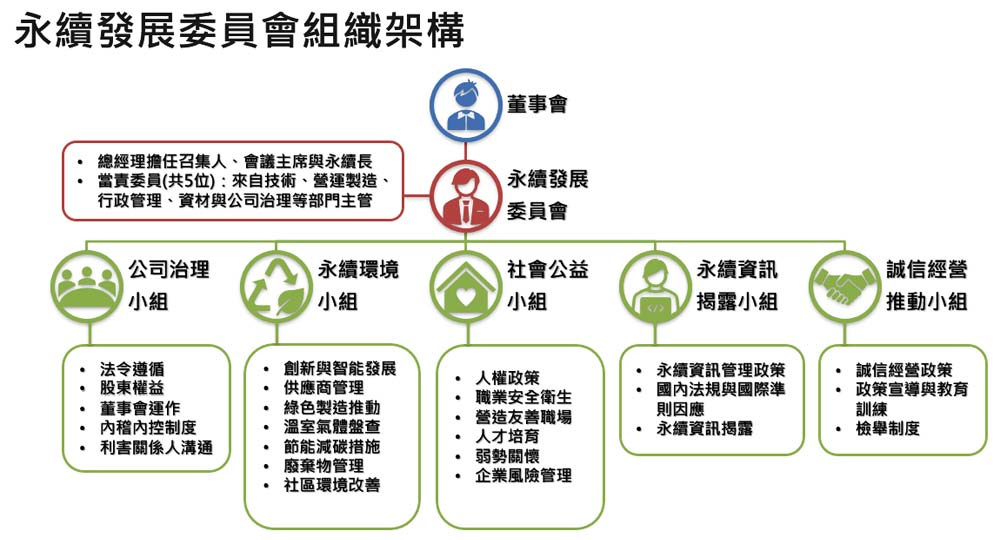
為實踐本公司永續發展目標,並強化永續治理,依照「上市上櫃公司治理實務守則」第二十七條第三項及「上市上櫃公司永續發展實務守則」第九條第一項之規定設置「永續發展委員會」,由董事會授權與監督。委員會成員五位,由董事會決議委任,任期配合董事會之任期,得連選得連任,由總經理擔任委員會召集人、會議主席與本公司永續長。


委員會成員

職 稱 姓 名 主要經(學)歷 目前兼任本公司及其他公司之職務 備註
永續長暨會議召集人、
會議主席
高明和
  • 交通大學電子工程學系學士
  • Neousys Technology America, Inc.董事
  • 凌華科技副總經理
  • 安捷倫科技 副總經理
  • 惠普科技 經理
  • 本公司總經理
  • NEOUSYS TECHNOLOGY AMERICA, INC. 董事
  • 蓮德芯投資有限公司董事長
第一、二屆委員
委員 倪浩然
  • 交通大學資訊工程研究所碩士
  • 凌華科技 產品經理
  • 本公司產品企劃處副總經理
  • 本公司產品研發處副總經理
  • INNOVATION PATH INT'L LTD.董事
第二屆委員
委員 呂依凌
  • 台北大學會計學系學士
  • 勤業眾信 審計部副理
  • 本公司治理主管
第一、二屆委員
委員 卓聖裕
  • 朝陽科技大學 工業管理系學士
  • 朗捷科技 資材經理
  • 本公司資材部經理
第一、二屆委員
委員 蔡頴杰
  • 中山大學 環境工程碩士
  • 啟碁科技 新竹廠廠長
  • 本公司營運製造處製造部協理
第一、二屆委員
委員 鄒淑宜
  • 中央大學人力資源管理學系學士
  • 圓剛科技 人資處長
  • 本公司行政管理部資深經理
第二屆委員

永續發展委員會的職責範圍如下,同時為推動相關永續發展業務,於委員會項下設立五大跨部門的任務小組以利執行相關任務,包括:公司治理小組、永續環境小組、社會公益小組、永續資訊揭露小組、誠信經營推動小組等。永續發展委員會每季召開一次會議,並將每次開會之會議事錄呈報董事會並報告永續發展執行成果及未來的工作計劃。公司董事會每次聽取永續發展委員會之報告及其對董事會提出所擬訂公司永續發展策略,董事會除評判這些策略成功的可能性,也同時檢視策略的進展,並且在需要時敦促各執行單位進行調整。


永續發展委員會的職責範圍

  • 制定、推動及強化公司永續發展政策、年度計畫及策略等。
  • 檢討、追蹤與修訂永續發展執行情形與成效。
  • 督導永續資訊揭露事項並審議永續報告書。
  • 督導本公司永續發展守則之業務或其他經董事會決議之永續發展相關工作之執行。


2024-2025年永續發展委員會與董事會召開時間

永續發展委員會日期 董事會日期 重要討論事項摘要
2024/2/21 2024/3/13 於董事會提案討論正式成立永續發展委員會、委員任命案和修訂組織章程。
2024/4/22 2024/5/10 於董事會報告並提案二次修訂永續發展委員會章程,同時通過成立誠信經營推動小組。
2024/7/19 2024/8/9 於董事會報告確認組織架構分組(公司治理小組、永續環境小組、社會公益小組、永續資訊揭露小組、誠信經營推動小組)以及報告年度誠信經營執行狀況。
2024/11/4 2024/11/12 報告2025永續發展規劃,並通過增訂「永續資訊管理控制作業」。
2025/2/26 2025/3/7 報告 (1) 2024年永續報告書編製作業時程,(2)利害關係人與重大議題評估流程。(3) 報告發放3份問券結果—鑑別出6大利害關係人、調查利害關係人關注議題,以及由高階主管評估營運正負面衝擊議題。(4) 年度ESG活動規劃:將於4月份參與新北市環保局發起的春季聯合淨灘活動,7月份於新營運總部大樓旁辦理捐血活動,第四季則有福委會辦理的公益路跑,以及行政管理部發起的舊鞋捐助活動等。
2025/4/29 2025/5/9 報告 (1) 公益淨灘活動成果:由董事長暨總經理James帶隊,宸曜員工與眷屬共計62位參與新北市環保局發起的114年春季聯合淨灘活動。 (2) 溫室氣體盤查專案進度報告:2025年5月底完成溫室氣體盤查(GHG)報告,以及溫室氣體排放清冊(母公司);7月進行溫室氣體盤查系統的教育訓練;8-9月委託顧問開始輔導子公司學習溫室氣體自我盤查。
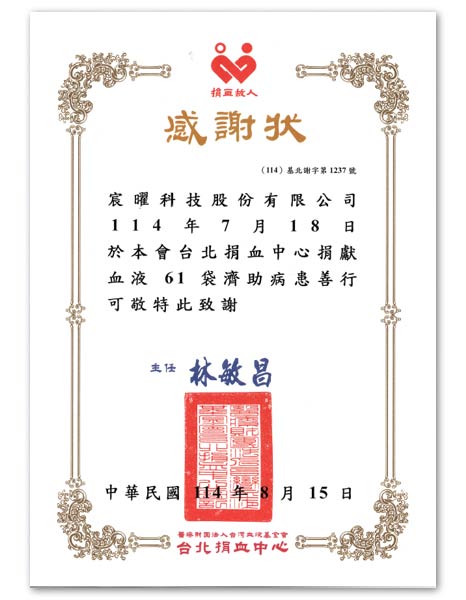
2025/7/29 2025/8/6 報告 (1) 公益捐血活動成果分享:本年度捐血袋數61袋,(2) 溫室氣體排放減量短中長期目標討論。短期目標(2030)、中期目標(2035)以及長期目標(2050):溫室氣體排放達到淨零承諾等。
2025/10/20 2025/11/6 報告 (1) 永續發展專區網頁更新時程,(2) 2024年永續報告書修正版內容補充說明,(3) 公司治理小組報告公司治理評鑑排程、誠信經營年度執行情形以及各利害關係人溝通情形與頻率等,(4) 永續環境小組報告營運總部與中正廠區各部門用電情形,以及環控系統執行情形等。


永續發展委員會


Related Product 1: - Please select Product -
Related Product 2: - Please select Product -
Related Product 3: - Please select Product -
Related Product 4: - Please select Product -
Related Product 5: - Please select Product -
Related Product 6: - Please select Product -
Related Product 7: - Please select Product -
Related Product 8: - Please select Product -


企業營運


公司永續發展是一個綜合性的理念,企業在營運時不僅要顧及經濟方面的發展,更要兼顧社會及環境的責任。唯有同時關注這三方面的發展,才能實現企業的永續經營,同時促進社會的永續發展。宸曜科技深信要實現永續發展,必須全面整合這個理念到企業的運營模式中,確保永續發展的觀念貫穿公司運營的各個層面,以徹底改變企業的營運模式,實現全面且長遠的永續發展目標。


推動創新與智能發展

宸曜科技專注於設計製造兼具強固及緊湊小尺寸的無風扇工業電腦平台,核心技術涵蓋嵌入式運算以及產業數據的採集分析。致力於提供高效、穩定、創新的整合性全方位應用導向解決方案,我們的產品和服務涵蓋自動化智能工廠、機器視覺、交通運輸、GPU智能運算、機器學習、自動駕駛、監控和視覺分析等多個應用領域,不斷推動著各行各業的智慧化轉型。我們的技術團隊擁有豐富的專業知識和經驗,在不斷的研發和創新中,推出了一系列具有前瞻性和實用性的產品,不斷地滿足客戶多樣化的需求,助力客戶實現更高效、更智能的生產應用和智能管理。此外,我們注重與客戶的合作與溝通,深入了解他們的需求和挑戰,為他們提供量身定制的解決方案。我們亦與各行業的領先企業和研究機構合作,共同探索創新應用場景,推動智慧技術在各個領域的應用和發展。

宸曜科技的使命是成為客戶信賴的智慧化解決方案提供商,我們將持續不斷地投入研發,致力於創新技術的應用和推廣,為客戶創造更大的價值,共同推動智慧化社會的建設和發展。在創新與智能發展規劃上,我們尤其注重以下幾項要點,包括:

  • 嚴格的品質標準:
    • 明確定義零部件的品質要求,並制定品質管理流程。
    • 在產品生產的各個階段進行品質檢測,以確保產品符合品質標準。
    • 建立產品追溯系統,以追蹤產品的生產與流通過程,以便在發生問題時迅速追查原因,並做適當的處置。
  • 供應商管理:
    • 建立戰略夥伴關係,與供應商的長期合作,可確保供應穩定與品質一致性。
    • 選擇符合無毒標準的零部件,降低對環境的影響。
    • 選擇通用性高的零部件,大批量採購降低單位成本與每趟運輸碳排放。
  • 產品設計IP化:
    • 選擇通用性高的零部件,減少反覆驗證造成浪費,可簡化物料管理流程與減少生產錯誤。
    • 利用標準化的設計,如MezIO模組、專利卡槽、高能效寬電壓解決方案、SuperCAP UPS、防水防塵、寬溫與防震技術等,加速新產品開發,並有效提高產品可靠度與使用壽命。
    • 「AI-Enable」:鼓勵運作中的產品再進化,藉由既有工業電腦擴充Jetson卡片,新增AI能力。


企業風險管理政策

為確保本公司的關鍵業務活動能夠實現持續性,我們已制定營運持續計畫(Business Continuity Planning),這項計畫旨在加強我們應對突發緊急事件的應變能力,以減少災害對我們業務運作的不良影響,同時確保迅速恢復正常營運。我們的目標是保護客戶、股東和其他利益相關者的權益,同時確保公司的長期運營的可持續性。


無紙化管理

為支持企業永續經營目標,本公司持續推動作業流程數位化,積極導入多項電子化管理工具,包括企業資源規劃(ERP)、客戶關係管理(CRM)、製造執行系統(MES)及簽核與人事管理系統(HRM / EasyFlow)等,以降低對紙本文書流程的依賴。

2025年為公司營運與資訊系統轉換的重要年度,適逢新廠辦搬遷與SAP系統導入,在教育訓練、流程測試與內部銜接階段,部分作業仍需以紙本文件輔助,以確保轉換期間資訊正確與運作穩定。 因此,本年度前三季用紙量較去年同期維持持平,屬於系統轉換期間的過渡現象。公司仍持續優化電子化作業流程與資訊整合應用,並將依實際營運狀況滾動調整減紙策略,穩健推進無紙化辦公環境,為長期永續營運奠定堅實的數位管理基礎。


綠色包裝

本公司盡可能以綠色包裝為原則。我們所使用的所有產品紙箱包裝均以可再生材料製成,其中的回收成分達到100%。此外,我們特別選用無毒性且具有環保回收性的緩衝包裝材料。每一個產品包裝都是根據產品的尺寸和重量進行度身定制,以確保最大程度地減少包裝材料的浪費,並進一步降低對環境的負擔。我們致力於支持可持續包裝方法,以保護我們的地球和生態環境。

生產單位綠色包裝

生產單位綠色包裝實施:

  • 出貨時使用併箱出貨,減少紙箱的用量
  • 減少塑料包裝使用量,以減少塑料材料對環境衝擊
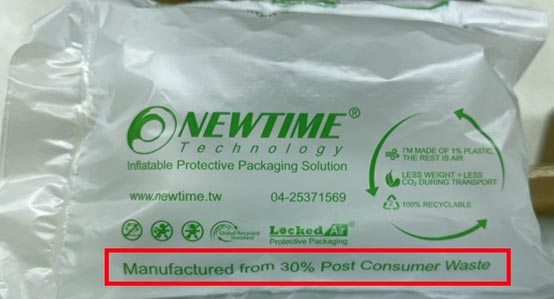
  • 塑料緩衝材材質,使用30%回收料
  • 減少紙箱印刷面積,以最小面積之設計達到美化及說明之目的
  • 改善產品結構穩定性,相對地減少包裝材料使用量
  • 紙箱使用無危害物質,符合CAS No.65996-61-4 廢紙回收漿濃度比例 85%~90%
  • 增加產品包裝共用性
  • 使用非一次性包裝設計,消費者可以重複使用


供應商管理

本公司對永續供應鏈極為重視,為確保從供應商取得之原材料符合環境保育及職業安全衛生等相關規範,我們在與供應商合作之前必須確保其遵守所有適用之環境保護法令與法規,保證供應之任何產品、零組件及出貨包裝材料,符合歐盟以及歐洲各國法令中有關RoHS、REACH、REACH 附錄17、無衝突礦產宣告、WEEE之法規;承諾並確認遵行國際及國內職業安全衛生及環境保護相關法規及標準,提供安全衛生的工作環境並承擔環保責任。本公司基於「責任商業聯盟(Responsible Business Alliance, RBA)」為企業社會責任推行準則,制定了供應商行為準則,要求供應商對於工作環境之安全無慮、經營過程負責相關環保責任並遵守道德規範、員工權益受到保障與尊重,善盡社會責任,遵守其經營所在國與地區的法律和法規。期望透過與供應商的合作溝通與交流推動持續性的改進,並鼓勵供應商輔導其下游供應商認同並落實執行本準則(如附件)。


Related Product 1: - Please select Product -
Related Product 2: - Please select Product -
Related Product 3: - Please select Product -
Related Product 4: - Please select Product -
Related Product 5: - Please select Product -
Related Product 6: - Please select Product -
Related Product 7: - Please select Product -
Related Product 8: - Please select Product -


環境保護


為了有效保護環境,宸曜科技已制定公司的環境保育政策,並以實施「節能減碳」為主要目標。我們積極採取各種措施和參與相關活動,以減少公司活動對環境的不良影響,不僅關注內部環境,還關注社會環境。同時,我們也致力於加強員工的環保教育和宣導工作,逐步提高他們對環保議題的認識和意識。


綠色營運與能源管理

本公司致力於環境永續發展,積極響應全球淨零碳排趨勢。透過導入智慧化管理系統、設備效能優化及全員節能文化三大主軸,具體落實溫室氣體減量與能源效率提升:

1. 建置智慧能源管理系統

  • 營運總部智慧化: 新營運總部導入環境管理系統,針對空調與照明實施智慧排程控制,依據非上班時段(夜間、假日)自動降載或關閉,有效杜絕非必要能耗。
  • 即時監測與分析: 建置用電即時監測平台,視覺化分析尖離峰用電數據,作為能源使用效率檢討與改善之依據。

2. 推動高效率設備汰換

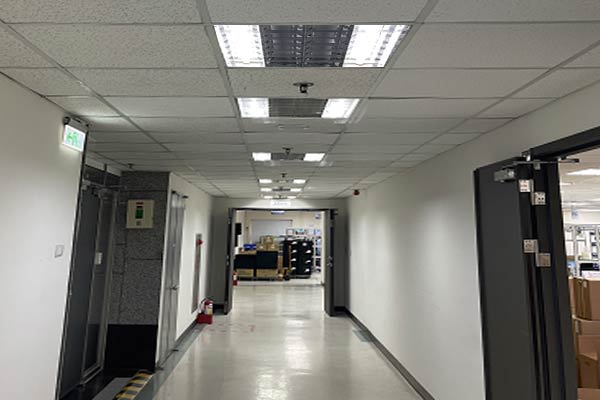
  • 硬體升級計畫: 廠區已訂定分階段汰換計畫,逐步將老舊空調主機、照明設備更換為高效率節能機型(如一級能效空調、LED照明)。2025年逐步將T8日光燈管汰換成LED燈管,截至9/30與去年同期相比,用電度數減少5,683度,下降2.3%用電度數。
  • 節能績效追蹤: 持續監控新設備運轉效率,確保達成預期之節電效益。

3. 深化行政管理與節能文化

  • 空調溫度標準化:落實辦公場所溫度恆溫控制,常年設定不低於 25°C,平衡舒適度與能源消耗。
  • 離峰能源管控:嚴格執行午休時間及連假前之電源關閉政策,並透過定期實地稽核確保執行率 100%。
  • 辦公行為節能:全面設定電腦設備之節能模式(降低螢幕亮度、長時間閒置自動休眠),將節能意識融入員工日常作業。


溫室氣體管理


1. 溫室氣體管理及減量目標
「淨零碳排」是本公司的核心目標,依據聯合國政府間氣候變遷專門委員會(IPCC)呼籲,全球如果要將平均升溫控制在攝氏 1.5 度內,必須在 2030 年減排至少 43%,在 2050 年實現淨零碳排。依循上述的基本原則,本公司選用2024年作為溫室氣體排放基準年,主因係針對2024年期間本公司開始成立溫室氣體鑑別管理小組,並進行資料收集與參與各式各樣研討會議,採用科學方式進行邊界鑑別與溫室氣體盤查。為達到上述的減量目標,宸曜科技短中長期的目標減量係以每年10%,2030年為中期目標下降50%以及最終2050年淨零碳排來努力。

2. 溫室氣體策略及具體行動計畫
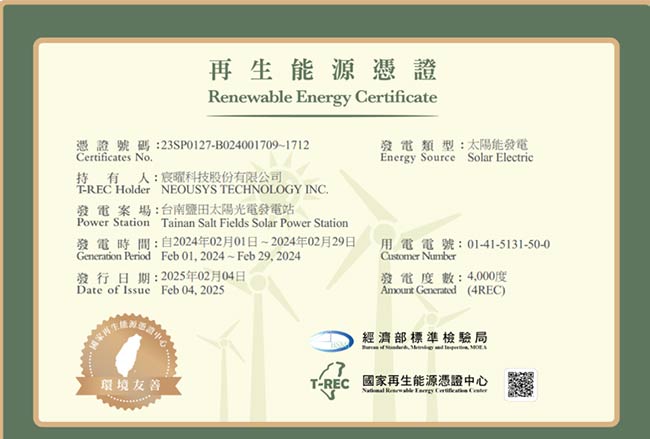
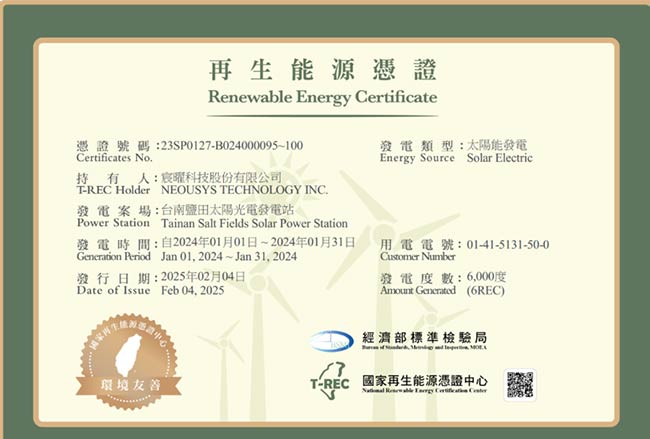
透過溫室氣體盤查活動前,本公司仍有進行節約省水與省電等各式各樣的管理方案執行,其具體方式包含空調冷氣分區管理、維持固定溫度及下班關閉主機、採用節能燈具等等措施。接續了解業界對溫室氣體排放的來源與數量,坊間計算溫室氣體排放量的方法主要有直接監測法、質量平衡法、排放係數法,本公司依據產品生產型態,採用排放係數法來進行溫室氣體排放鑑別。鑒於本公司能源消耗主要來自台電外購電力為主,每月依照分區獨立電表收費模式進行統計,依據政府法令規範的要求規範設定1%的節電目標,與觀察國內主要能源大戶節電中位數也已達1.46%,遂訂定本公司的能源節約目標每人每年用電量人均減少1.5%。另針對公司整體營運生產所需的間接能源均來自台電電力,除配合節能減碳的活動之外,本公司已進行綠電(再生能源)的採購(如下圖),2024年採購1萬度綠電,用以達到淨零碳排的目標。


3. 溫室氣體排放量
本公司依循ISO 14064-1:2018溫室氣體盤查標準計算溫室氣體排放量,2024年盤查結果為範疇一30.0386tCO₂e、範疇二277.8962tCO₂e以及範疇三923.4855tCO₂e,排放密集度為0.852tCO₂e/百萬元營業額 。2024年為首次應用溫室氣體排放係數盤查,其溫室氣體排放量分析表如下表

溫室氣體排放量 2024年盤查結果 2023年補充說明如下
範疇一(tCO₂e) 30.0386
項目 112年度 113年度
用電度數 584,311 596,288
用水度數
總溫室氣體排放量(t CO2e) 329.0526 346.486
廢棄物總重量(KG)
註:
  • 公司113年採購綠電共1萬度(溫室氣體排放量為0),已自總溫室氣體排放量扣除。
  • 公司112年台灣員工數約為164人,人均溫室氣體排放量約為2.0064噸/年,113年員工數約為180人,人均溫室氣體排放量約為1.9249噸/年,較前期下降。
  • 本公司用水度數及廢棄物總重量為全棟辦公大樓合併計算,尚無法取得相關資訊
範疇二(tCO₂e) 277.8962
範疇三(tCO₂e) 923.4855
總排放量(tCO₂e) 1231.4203
排放密集度
(tCO₂e/百萬元營業額)
0.852
註1:範疇一資料範圍:冷氣室外機、冰水主機、電冰箱、化糞池、恆溫恆濕機 範疇二資料範圍:台灣電力公司提供之電費單用電量及範疇三資料範圍:原物料運輸、產品運輸、員工通勤、商務差旅、廠商原物料及生產。
註2:採用營運控制法彙編溫室氣體排放量。
註3:計算的溫室氣體種類包括二氧化碳、甲烷、氧化亞氮、氫氟碳化物、全氟碳化物、六氟化硫、三氟化氮。
註4:排放係數來源為行政院環境部最新公告之「溫室氣體排放係數」,GWP採用IPCC公告GWP值(IPCC第五次評估報告)或(IPCC第六次評估報告)之數值。
註5:範疇三包含請填寫活動類型,例如員工商務交通、上下游運輸與配送、產品購買與使用等排放源。

生產廢棄物管理

產品生產過程中廢棄物管理,依據 Reduce(減少用量)、Reuse(重複使用)、Recycle(回收再利用)原則實施環境保護

  • Reduce(減少用量):
    a.評估照明照度,在不影響識別、安全下減少燈管數量,減少用電量
    b.導入智慧型MES工廠管理系統,減少單據用紙量
    c.所有影印紙張,使用有環保標章的回收紙,節省森林資源
    d.雙面使用影印紙,減少影印紙使用量

  • Reuse(重複使用):
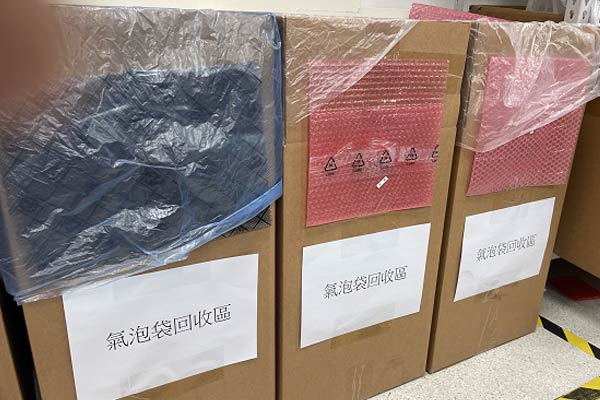
    a.包裝 靜電袋,回收再重複使用
    b.包裝 氣泡袋,回收再重複使用
    c.包裝 緩衝材,回收再重複使用

  • Recycle(回收再利用)
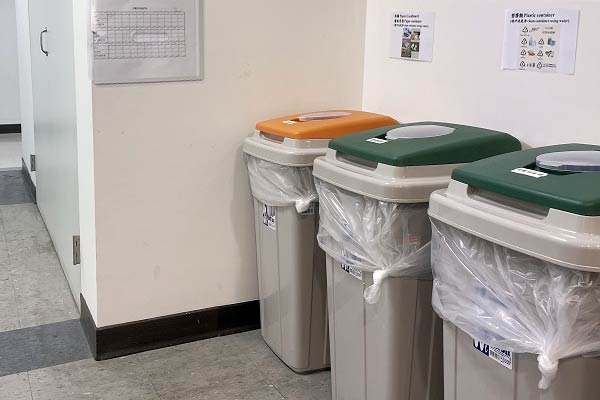
    a.廢紙箱 分類回收
    b.紙類 分類回收
    c.塑膠 類分類回收
    d.玻璃/鐵鋁類 分類回收

Reduce(減少用量) Reduce(減少用量)
Reuse(重複使用) Reuse(重複使用)
Recycle(回收再利用) Recycle(回收再利用)

環境共好行動

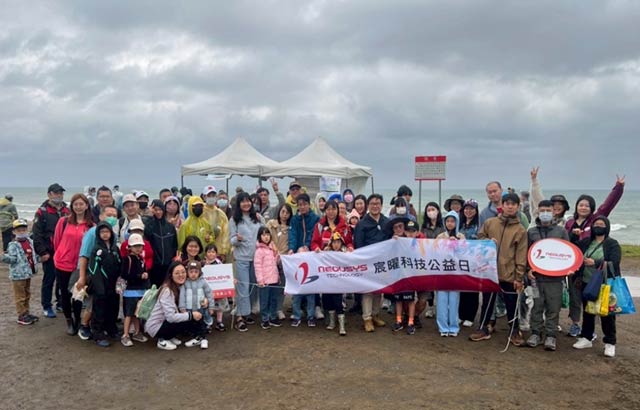
  • 【理念與實踐】 宸曜致力於推廣環境保護意識,將企業責任延伸至社區與海洋。透過年度淨灘與推廣無肉飲食,我們讓員工深刻體認環保的重要性,並將永續理念轉化為實際行動。
  • 【2025年成果亮點】
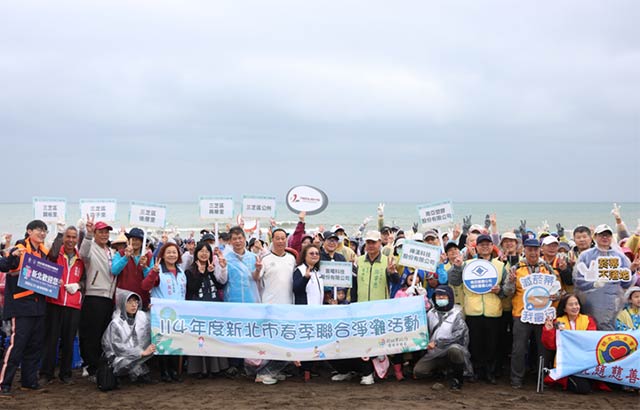
    全員投入: 由董事長親自帶隊,集結員工與眷屬共62人參與新北市環保局「114年春季聯合淨灘活動」。
    具體貢獻: 響應新北市新北市三芝牛車寮海灘淨灘活動,當日活動全體共計清除垃圾490公斤、資源回收物100公斤,成效斐然。
  • 【持續承諾】 新北市海岸線長達145公里,橫跨九大行政區。為展現持續參與的決心,本公司正積極評估認養適合的海岸路段,將不定期的公益活動轉化為長期的環境守護計畫,為台灣的海岸線永續發展貢獻心力。

年度淨灘活動

宸曜科技 - 淨灘日

宸曜科技 - 淨灘日

宸曜科技 - 淨灘日

宸曜科技 - 淨灘日


Related Product 1: - Please select Product -
Related Product 2: - Please select Product -
Related Product 3: - Please select Product -
Related Product 4: - Please select Product -
Related Product 5: - Please select Product -
Related Product 6: - Please select Product -
Related Product 7: - Please select Product -
Related Product 8: - Please select Product -


社會責任


1.0多元共融友善職場

宸曜科技尊重並遵循國際人權規範,嚴格遵守《國際勞工公約》及《勞動基準法》之規定,同時制訂「人權政策」與相關管理方案,以保障員工基本權益,並推動多元包容與職場平等。我們致力於打造安全、健康的工作環境,並有完善的員工關懷措施,包含彈性工時、職涯發展規劃及健康管理計畫,讓員工在身心健康與職業發展上獲得支持。此外,公司設立性騷擾及職場暴力的申訴管道,並制定申訴處理流程,確保工作環境安全。透過這些措施,宸曜科技持續強化企業與員工間的信任,成為員工工作與生活平衡的重要夥伴。


1.1多元化平等的工作環境

宸曜科技以人才為本,我們尊重差異,因此員工的組成多元;並透過建置多元與包容的措施(制度/福利),為每位員工創造平等的機會和友善的職場環境。

1. 組成多元:

  • 年齡:我們的員工年齡組成涵蓋廣泛,其中21-30歲占比14.07%,31-40歲占比43.72%,41-50歲占比31.66%,50歲以上占比10.55%,展現公司多樣化的年齡分布與包容性。
  • 文化:我們的團隊遍及台灣、中國、日本、韓國、德國、美國、印度,跨文化團隊比例達18%,展現文化多元性。
  • 性別:2025年度,公司女性員工比例占46%,展現公司對性別多元的支持,我們持續致力於提供一個無性別偏見的職場環境。
  • 婚姻:我們的員工婚姻狀態呈現多樣性,其中已婚員工占比54%,單身員工占比46%。反映出公司對不同生活狀況員工的尊重與包容,致力於提供適應各種需求的福利與支持,促進員工在工作與生活之間的和諧平衡。

2. 機會平等:消除任何形式歧視,確保每人在工作中獲得公平的對待與機會。

  • 男女平等:公司致力於實現性別平等,並積極推動女性在各層級的參與與發展。2025年度,主管職女性比例占38%,我們提供平等的發展機會,確保所有員工無論性別皆能充分發揮潛力。
  • 育嬰需求:我們了解員工在育兒期間的需求,並提供靈活的育嬰假期與復職支持,協助員工平衡家庭與工作。近兩年2024-2025年,符合育嬰留停資格的員工中,兩年各5%的員工選擇申請育嬰假,且復職率達100%。
  • 身障人士:我們積極推動身心障礙者的就業機會,近三年,聘僱身障員工比例皆達法規標準的1%,展現對平等機會與包容文化的實踐承諾。


1.2 集會結社自由

公司尊重員工的權利,包括他們自由成立或參與各類社團和組織,同時提供多元化的社團活動,以增進有共同興趣及愛好者的交流機會,促進員工身心健康,使其能更好地實現工作與生活的平衡。

  • 公司多年來曾設有讀書社、藝FUN社、熱音社和熱舞社,現有密室逃脫社、王牌保齡球社、羽球社及英文口說社,員工參與社團比例29%,社員活動參與率每年穩定維持在六成以上。公司支持同仁集會結社自由,每年提撥40萬元預算以促進社團發展。
  • 為保障員工福祉,公司設立職工福利委員會,並依法遴選8位員工擔任委員,以確保員工權益,辦理員工相關活動。2025年每季定期召開福委會議,合計四次,確保員工相關權益與福利可以即時傳達或溝通。


1.3 員工溝通

公司致力於關注員工勞動權益相關議題,透過多種方式促進勞資雙方之間有益的溝通,包括定期召開勞資會議、員工會議及員工信箱,提供員工投訴或建議的渠道等,確保員工的權益得到適當的保障和提升,以打造更加和諧的職場環境。

管道 說明
實體會議 勞資會議: 每季定期召開,必要時得召開臨時會議,勞資雙方代表各有5位,共同討論員工權益,包括福利、工作環境、生產議題及工作場所安全等事項。2025年已於3/27、6/23、9/25及12/18召開勞資會議。
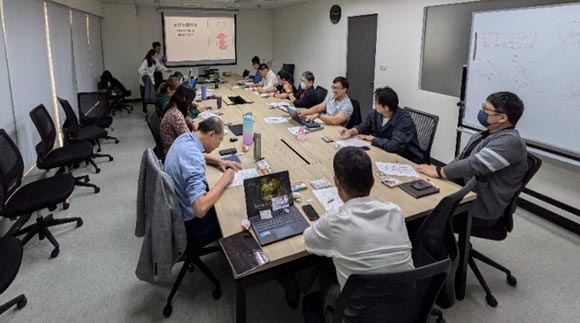
員工會議 每季定期召開,傳達公司當季重要資訊及下一季的目標,確保同仁均能理解公司策略,促進資訊透明及組織與員工之間的有效溝通。2025年已於4/17、7/9及10/22召開員工會議。
年度會議 每年年初舉行開年會議,與會同仁約佔員工人數八成,由總經理及各事業處主管向員工報告過去一年的營運成果,並闡述新年度的目標、策略與執行計畫,讓員工公司未來規劃,以凝聚策略與任務執行的共識。
內部網站 公司內網: 內容包含新鮮事、員工溝通、學習發展、職安專區、福委會及懶人包等專區,由專人不定期分享活動資訊、重點訊息、活動相簿等,藉此新加入之員工也可以快速瞭解公司現況。
員工信箱 員工意見箱: 透過設置郵件信箱及實體信箱,提供一個直接且安全的溝通渠道,由權責單位每月收信,對於公司之良善建議,經評估會提交勞資會議討論或於員工會議回應。
檢舉信箱 特別設立檢舉信箱,同仁若發現內部有不合法(包含貪汙)與不道德行為,可透過此管道進行檢舉,並由公司稽核主管專責處理。


1.5 福利制度

透過設計涵蓋不同需求的福利方案(考量不同性別、年齡、文化背景、家庭狀況及身心需求)、支持員工在文化、家庭或人生重要時刻的需求,展現對多樣化員工群體的尊重與支持,進一步促進公平和包容的職場環境。

多元福利類別 福利項目 內容描述
家庭支持型 結婚補助 每人新台幣12,000元,2025年新婚者申請率達100%。
生育補助 每人新台幣50,000元,2025年新生兒申請率達100%。
喪葬奠儀 當員工之一等親或二等親辭世時,本公司提供喪葬奠儀,以實質行動陪伴員工度過人生重要時刻,減輕其家庭負擔。
育兒津貼 提供育兒津貼,補助對象育有0至6足歲子女之員工,每名子女每年補助新台幣20,000元,協助員工兼顧工作與育兒責任,打造友善育兒職場環境。
全薪家庭照顧假 當員工因家庭成員之照顧需求需暫時請假時,得於符合公司相關規定下申請使用,期間薪資照常給付,協助員工在重要家庭時刻獲得充分支持,並促進工作與家庭生活之平衡。
誤餐津貼 照顧員工在因工作需要加班的餐飲需求,確保員工能夠在繁忙工作中依然享有基本的飲食保障,提升其工作滿意度與身心健康。
彈性上下班 為了支持員工平衡工作與家庭責任,提供兩種彈性上下班區間,彈性區間達2.5小時,讓員工能更靈活地安排時間,達到工作與家庭生活的平衡。
免費機車停車位 方便員工通勤並減少停車壓力,提升通勤效率,並為員工創造更舒適的工作環境。
節慶禮金 讓員工在重要節日感受到公司的關懷,除一個月年終獎金外,我們提供中秋節、端午節等傳統三節的禮金,有助於促進員工與家人共度美好時光。
退休制度 按月依勞工投保工資每月提撥6%退休金;員工亦可依個人需求,在6%範圍內彈性自願提繳,以滿足員工自主規劃需求。2025年提繳新制退休金認列金額約新台幣9,350千元。
教育支持型 外部訓練補助 除公司課程,我們鼓勵自主學習,在工作需要狀況下,提供不限年資每年每人新台幣一萬元的補助額度。2025申請外訓比例5.4%。
兒少獎學金 為支持員工子女的教育發展,公司每年提供兩梯次申請的兒少獎學金。該獎學金針對國小、國中及高中生設立,單次獎金金額從1000元至2000元不等,2024年員工申請率95%。
健康與身心關懷型 入職前體檢補助 公司提供1000元的入職前體檢補助,協助員工完成必要的健康檢查。
優於法令健檢補助 為了更好地關心員工的健康,公司提供超過法定要求的健檢額度,定期安排員工進行全面健康檢查。
健康促進活動 定期舉辦健康議題講座、健康促進活動供同仁參加,並配置上班期間人體工學椅。
保險健康 提供員工團體保險(醫療保險、傷害保險)、雇主意外責任險、旅遊綜合保險,保障範圍涵蓋員工生活與工作情境所需。
文化支持型 原住民族歲時祭儀假 提供「原住民族歲時祭儀」假期,讓原住民員工能夠慶祝自身文化。
意外與困境支持 急難救助金
喪葬慰問金
傷病慰問金
在員工面臨突發困難或重大事件時提供支持,確保員工在艱難時期能感受到企業的溫暖與幫助。
其他貼心福利 生日假與生日禮金 為了讓員工在特別的日子裡感受到公司的祝福與關懷,2024年,該福利的申請率達96%,展現員工對此福利的高度認可與滿意度。
休假制度 3項優於法令的休制度:包含新進人員首兩年特休各十天、補班日放假,及每年全薪病假五天。
員工旅遊補助 每人12,000元,用於增進員工與家人及同事情感連結,2024年申請率為67%。
休閒設施 於員工休息室設置電子飛鏢機,提供同仁於工作之餘適度紓壓與放鬆空間;並備有高品質咖啡與茶包,供員工隨時取用,營造舒適且友善的工作環境。此外,亦設置自動販賣機,並提供員工專屬優惠價格。
團體活動 福委會安排每年度Happy Hour、按摩日、慶生會、家庭日、國內外員工旅遊、員工運動會、電影日、路跑活動、節慶活動等多元豐富的活動讓同仁參與。

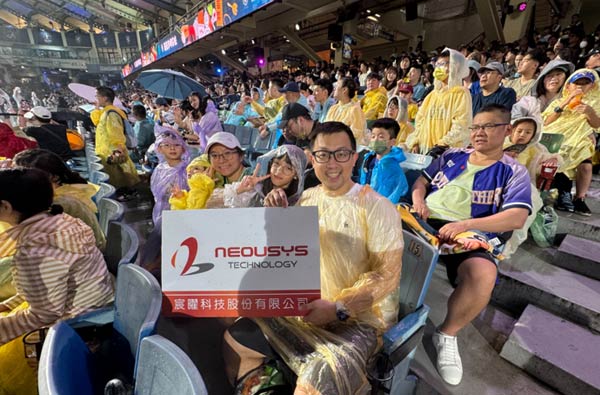
2025熱血看棒球 2025熱血看棒球

Open House活動 Open House活動
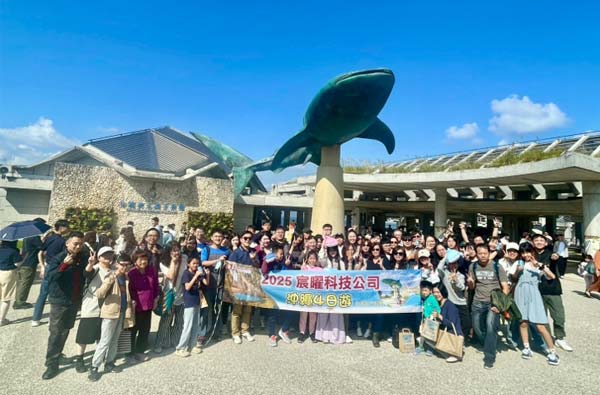
國外員工旅遊-沖繩四日遊 國外員工旅遊-沖繩四日遊

國外員工旅遊-釜山五日遊 國外員工旅遊-釜山五日遊

國外員工旅遊 國外員工旅遊

國內員工旅遊-花蓮瑞穗天合兩日遊 國內員工旅遊-花蓮瑞穗天合兩日遊

2025運動會 2025運動會
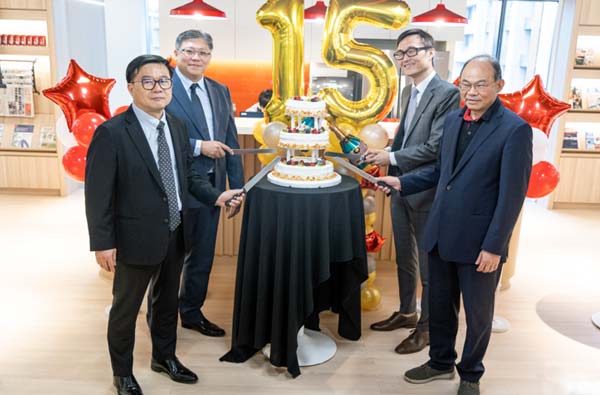
十五周年慶祝活動 十五周年慶祝活動
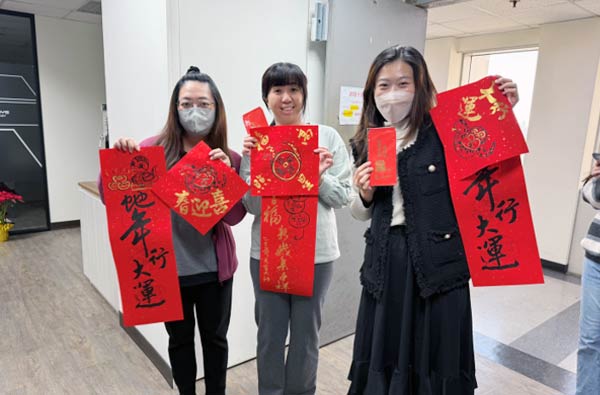
節慶活動-春節發放春聯紅包袋 節慶活動-春節發放春聯紅包袋
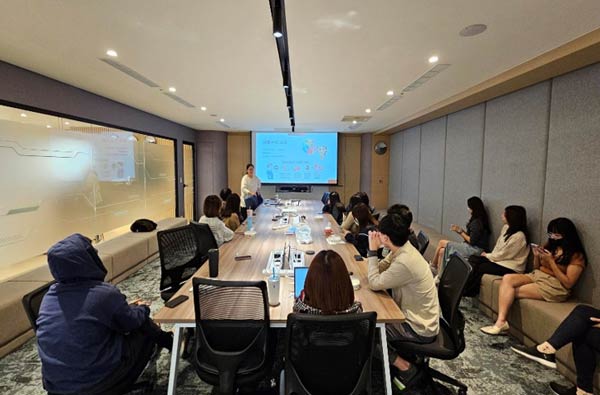
健康促進-解密代謝症候群 健康促進-解密代謝症候群
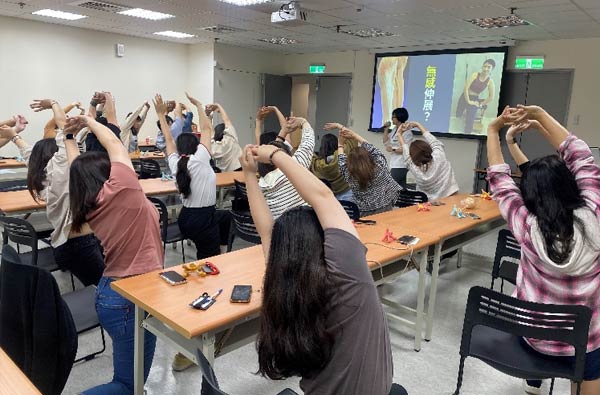
健康促進-脊椎保養秘笈講座 健康促進-脊椎保養秘笈講座
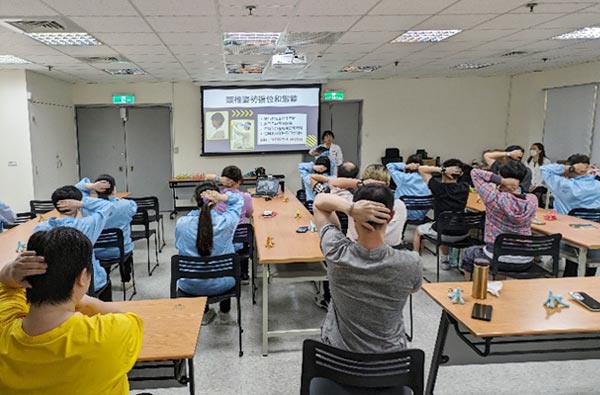
健康促進-打造健康好體態:久坐搬運 姿勢優化攻略 健康促進-打造健康好體態:久坐搬運 姿勢優化攻略

健康促進-肌力動作指導 健康促進-肌力動作指導
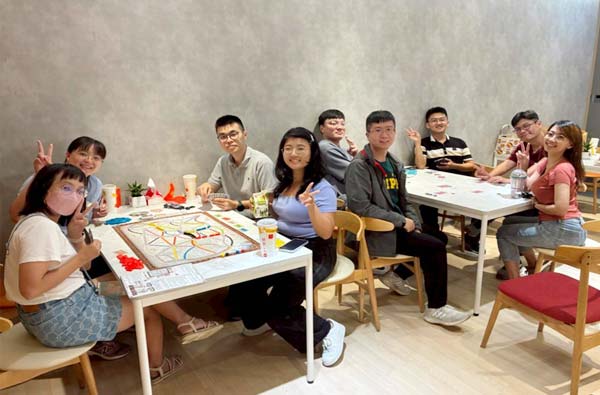
社團活動-密室逃脫桌遊社 社團活動-密室逃脫桌遊社
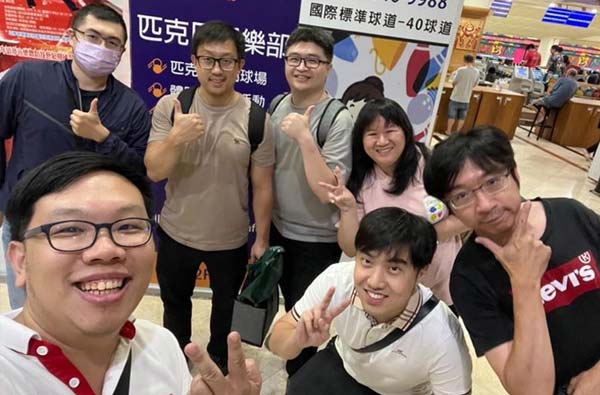
社團活動-保齡球社 社團活動-保齡球社

社團活動-羽球社 社團活動-羽球社
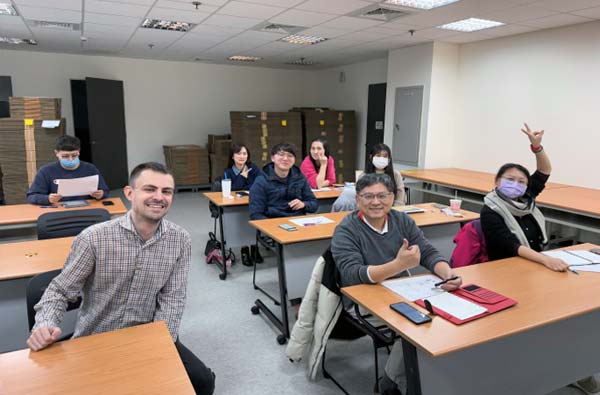
社團活動-英文口說社 社團活動-英文口說社
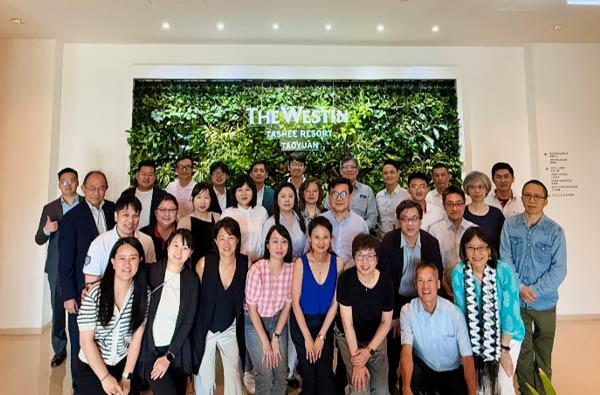


2.0 人才培育與發展

「以卓越人才為本,提供一個學習成長的理想工作環境」是宸曜科技對員工的高度使命與承諾。我們深信,員工的個人成長是公司發展的重要基石,因此,我們積極鼓勵員工自我提升,不斷拓展專業知識深度與廣度,超越當前職責或任務的侷限。為實現此目標,我們不斷優化現有的教育訓練課程,提供全面的教育資源,期望與工作夥伴一起學習、成長。


2.1 課程類別

屬性 類別 目的 說明
訓練 新人教育訓練 幫助新進員工快速融入公司文化、熟悉工作流程,並提升其基礎技能與職場適應力。
  • 28堂線上課程:課程包含公司介紹、各部門認識、產品概論、工業電腦介紹、系統與流程等,新人觀看率達100%。
法令規範課程 保障員工權益,並強化員工的安全意識與風險防範能力。
  • 消防安全教育訓練:實際演練提高員工應變能力,建立正確應急處置。2025年上半年完成必要訓練,下半年分別總部與中正廠區兩門課程,總計63位員工參訓。
  • 職業安全衛生教育訓練:此課程編入新人教育訓練線上課程,讓每位員工都有正確的訓練知識,新人學習率達100%。
主管教育訓練 提升主管管理職能,採用不同學習方式進行知識傳承。
  • Junior Leadership Program:為協助資深同仁學習管理知識與領導技能,培育計畫分為三個階段進行,逐步建構組織人才之管理知識與領導技能,此次計畫共21位同仁參與,滿意度為4.72分。
  • 跨世代溝通工作坊:介紹不同世代特質與溝通原則,運用人格特質模型與演練,協助主管調整溝通方式以建立高效團隊,此次學習人數為21位,滿意度為4.28分。
業務教育訓練 提升業務銷售技巧,運用銷售框架建構組織內部共同語言。
  • 顧問式銷售:課程介紹銷售拜訪心法與框架,透過實務案例演練顧問式銷售技巧與知識,學習人數為24位,滿意度為5.00分。
發展 自主學習課程 結合個人發展計畫,員工依據個人應備職能或選擇待發展能力進行選課學習。
  • 自主選課課程:課程內容包含AI高效工作術、任務規劃與執行、時間管理、專業簡報等課程。2025年選課人數102位,上課總人次達90人次,學習總時數為546小時,人均上課時數5.35小時。
  • 急救課程:透過講授與實作演練,使同仁熟悉AED與CPR急救技巧,提升緊急應變與初步救護能力,學習人數為32人。
外部教育訓練 員工可按工作及職務需求,自行報名外部課程進修。
  • 外訓學習:2025年共計有11人次參加員工外訓課程,學習總時數為83小時,運用外部學習管道,獲得工作或業務所需之相關知識。


2.2 學習成效

公司每年投入上百萬教育訓練費用,除法定課程外,因應公司自主自律為核心文化價值觀,每年提供多元課程讓員工依照學習偏好、職涯所需進行選課,以提升員工技能與個人成長,厚植公司成長的動力。以下為2025年成效總結。

  • 參與課程人數164人,佔員工比例81%;總人次301,人均1.8堂課;總時數1,961小時,人均11.95小時。
  • 課程平均滿意度:4.57分(5分制),課程多元、內容規劃與設計、講師水準等都獲學員高度肯定。
主管教育訓練-Junior Leadership Program 主管教育訓練-Junior Leadership Program
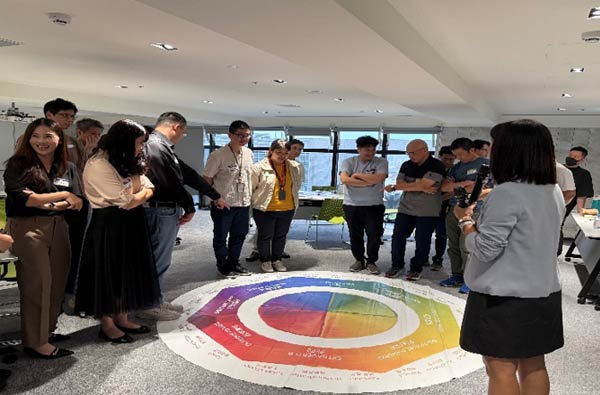
主管教育訓練-跨世代溝通工作坊 主管教育訓練-跨世代溝通工作坊
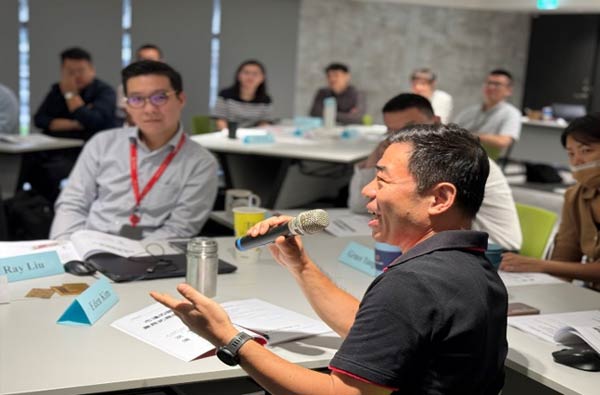
業務教育訓練-顧問式銷售 業務教育訓練-顧問式銷售
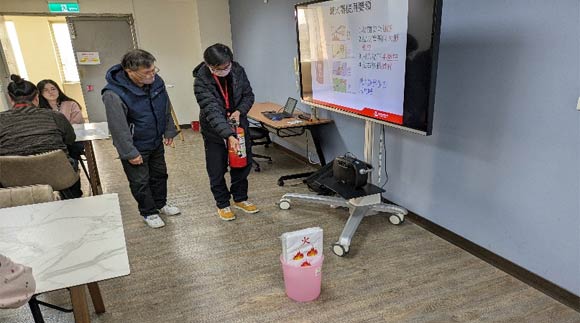
法令規範課程-消防安全教育訓練 法令規範課程-消防安全教育訓練
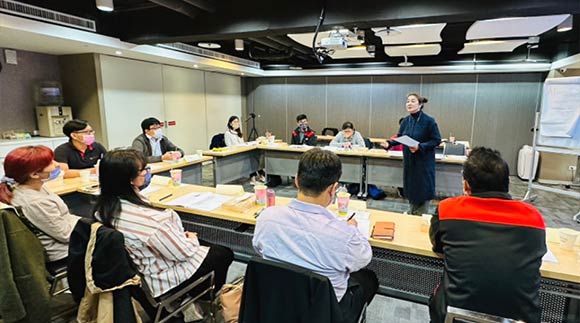
自主學習課程-專業簡報 自主學習課程-專業簡報
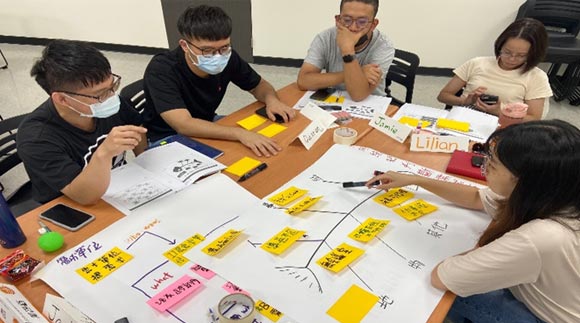
自主學習課程-任務規劃與執行 自主學習課程-任務規劃與執行

自主學習課程-時間管理 自主學習課程-時間管理
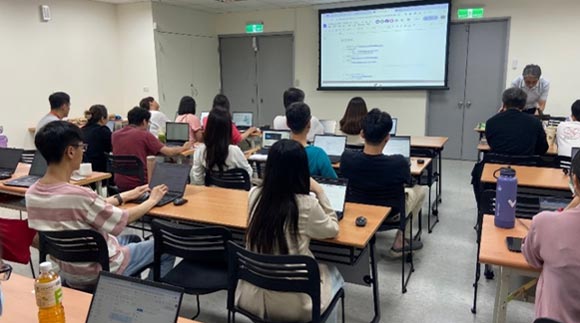
自主學習課程-高效AI工作術 自主學習課程-高效AI工作術
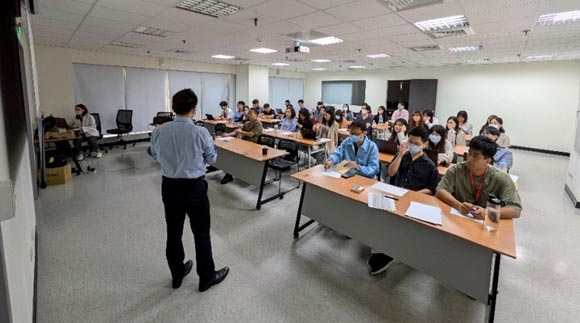


3.0安全與健康的工作環境

保障員工的職場安全是企業的法律責任和對員工的基本保障,同時也關乎員工的健康和生命安全。本公司遵循《職業安全衛生法》,設置職業安全衛生委員會,建立一系列職業安全衛生管理措施,以確保員工安全,防範職業災害發生。


3.1 職業安全衛生政策:

遵循法規、不斷精進。
落實教育、有效防災。
全員參與、健康職場。
自主自律、持續改善。

政策說明:建立符合各項法令規範的工作環境,並不斷追求更高安全衛生標準;落實職業安全衛生教育訓練,建立人員安全意識,有效防範職業災害發生;透過全員參與、健康管理及促進,打造友善職場,確實檢點環境與設備安全,持續改善安全衛生管理作為。


3.2 職業安全衛生規範:

教育訓練 公司依法安排各項有關職業安全衛生、消防避難之教育訓練。
機械安全 同仁須經訓練合格,始得依安全標準作業流程操作各項機械設備;各機械設備均定期依規範實施保養。
化學品 實施化學品安全教育訓練、有效控管化學品的使用與儲存、定期實施作業環境監測,確保作業環境安全與人員健康。
健康管理服務 優於法規之定期健檢、特約醫護臨場服務,為同仁健康把關。


3.3 預防職場不法侵害:

  • 書面聲明:
    本公司為保障所有員工在執行職務過程中,免於遭受身體或精神不法侵害而致身心理疾病,特以書面加以聲明,絕不容忍任何本公司之管理階層主管有職場不法侵害之行為,亦絕不容忍本公司員工同仁間或顧客、客戶、照顧對象及陌生人對本公司員工有職場不法侵害之行為。
  • 教育訓練:
    為了落實公司對職場不法侵害的嚴格管理,本公司重視培訓各級主管和員工的相關知識和技能。因此,我們定期辦理「不法侵害預防教育訓練」課程,確保每位公司成員都能清楚了解職場不法侵害的定義、相關責任和資源。透過這些措施,我們期望能夠更妥善保障公司成員的權益。

截至113年底,本公司在職員工共184人,完成「職場不法侵害預防」教育訓練者共168人,完訓率91.3%。

「職場不法侵害預防」教育訓練

員工場次 員工場次

主管場次 主管場次

3.4 消防安全:

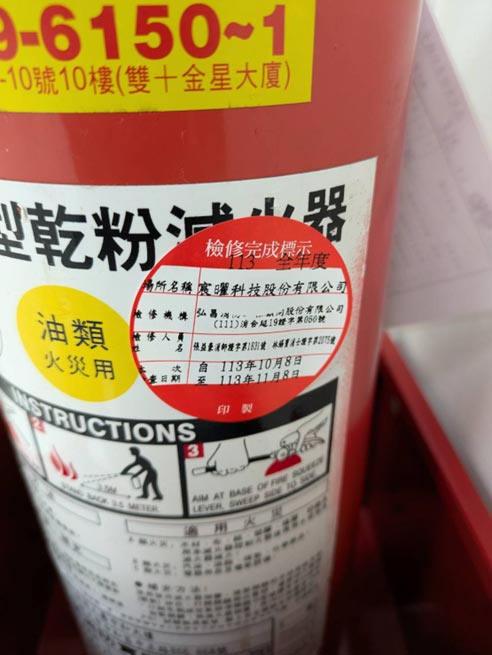
本公司依法定期實施消防設備檢修申報與消防安全演練,確保環境安全無虞。

113年度檢修完成標示 113年度檢修完成標示

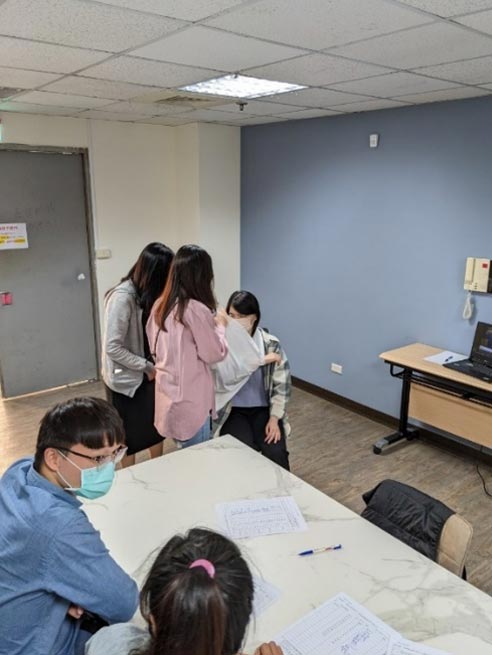
消防演練(救護班-急救包紮)次 消防演練(救護班-急救包紮)


4.0 公益規劃與具體行動

本公司在追求業務成長與技術創新的同時,始終秉持「取之於社會、回饋於社會」的核心價值。我們不僅致力於提供卓越的產品與服務,更積極回應社會與環境需求,將企業資源轉化為實質的社會影響力。

本公司積極落實企業公民責任,透過「教育支持與急難救助」、「健康職場與運動公益」、「弱勢扶助與社會共融」及「國際人道支援」四大面向,展現多元且具體的公益行動:

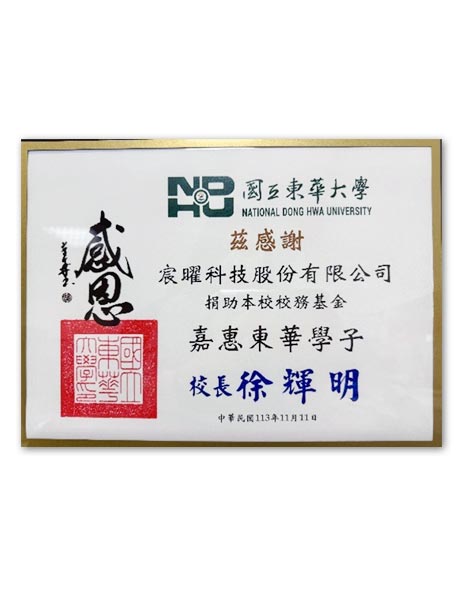
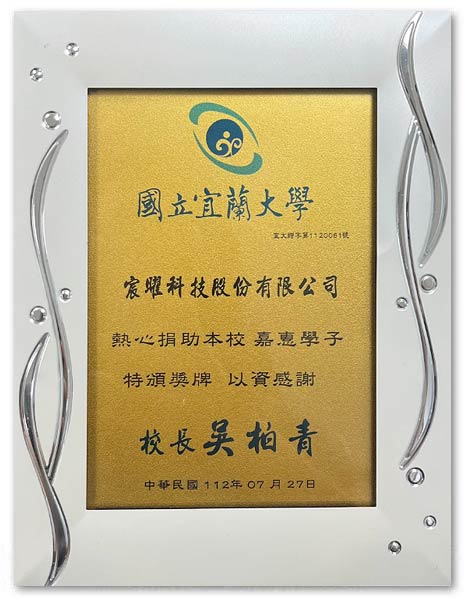
  • 教育支持與急難救助: 針對2024年花蓮強震,本公司關注到國立東華大學校園受損嚴重,遂本著拋磚引玉的精神,迅速捐助新台幣十萬元經費助力校舍重建,維護學子受教權益,展現災後復原的即時支持。
  • 健康職場與運動公益(從員工推及社區): 我們重視員工的身心健康與工作平衡,並積極將運動風氣結合公益精神。
    • 路跑活動:為鼓勵員工維持運動習慣,公司於2020年及2023年組織同仁參加「板橋馬拉松」;更於2022、2024、2025年連續多年參與「電器盃節能公益路跑」。透過此活動我們帶領同仁響應「節能減碳」與「汰舊換新」的環保倡議,並透過實際參與,支持主辦方將活動結餘捐助予小腦萎縮症病友協會及弱勢獨居老人。將員工的健康促進,延伸至環境永續與弱勢關懷,推動員工健康、環境保護與社會公益的多元發展。
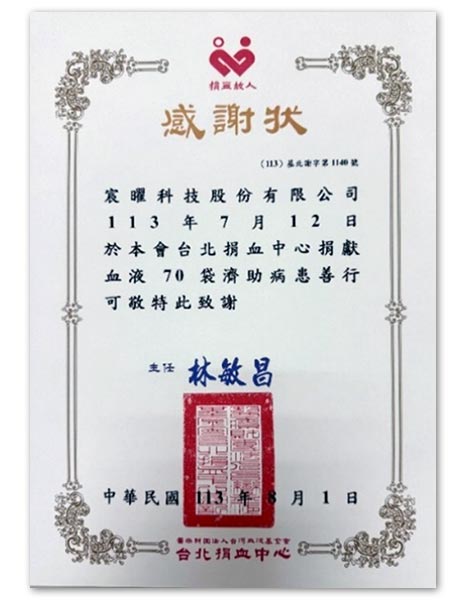
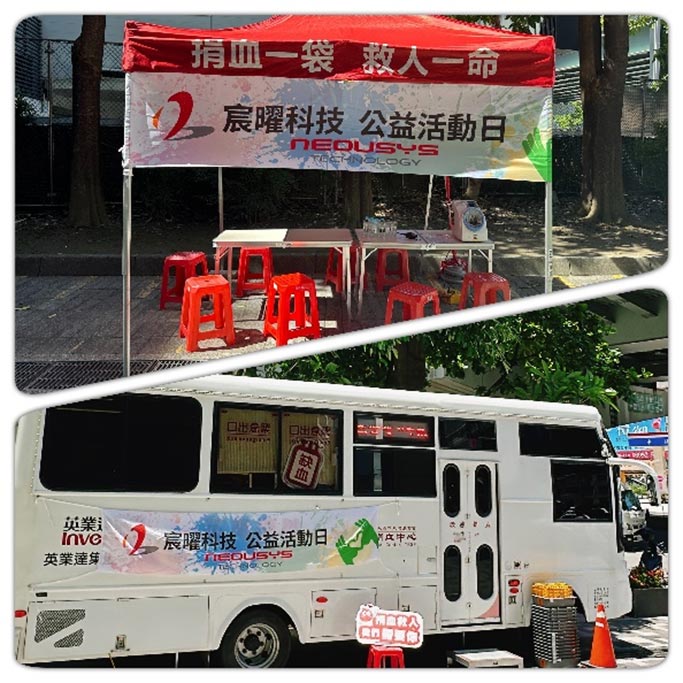
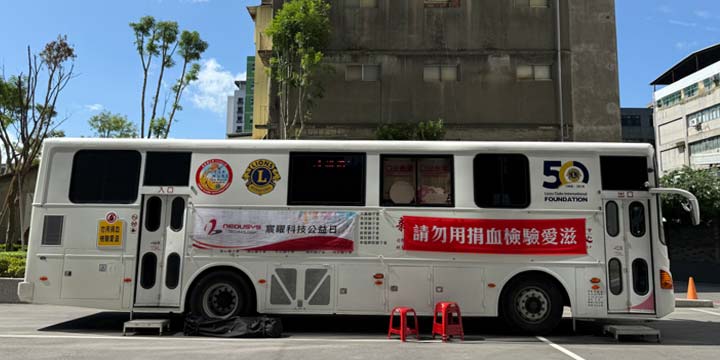
    • 醫療公益: 攜手台北捐血中心,建立「員工發起、鄰里響應」的公益模式。2024 至 2025 年期間,累計捐血達 131 袋,有效緩解季節性血荒,促進員工與社區健康。
  • 弱勢扶助與社會共融(支持多元團體): 我們運用公司場域資源,搭建員工參與公益的便利平台,以實際消費支持弱勢團體自立。
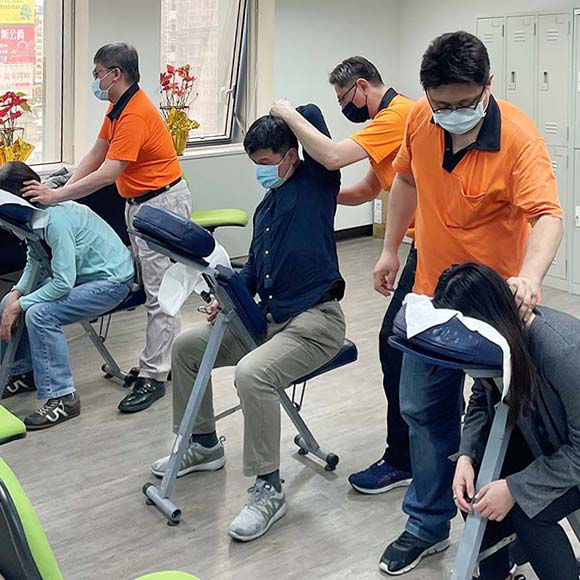
    • 視障按摩: 與伊甸基金會長期合作安排視障按摩小站進駐公司,除舒緩員工工作疲勞,更提供視障朋友穩定的就業支持。
    • 公益義賣: 2025年8月起,邀請財團法人喜憨兒社會福利基金會及財團法人利伯他茲教育基金會於員工交誼廳定期舉辦義賣擺攤,讓同仁能透過自由捐獻與購買商品,直接傳遞愛心與溫暖。
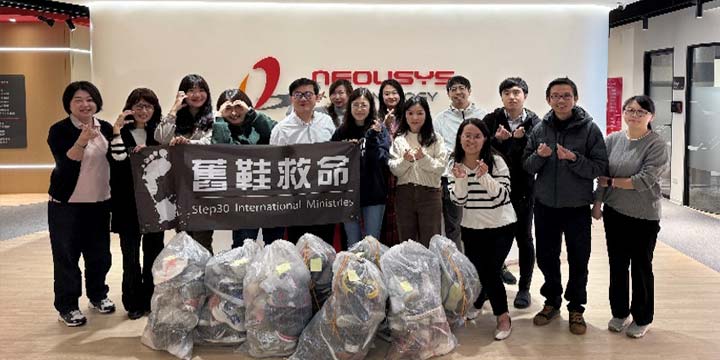
  • 國際人道援助與資源循環(舊鞋救命): 2025 年參與推動「舊鞋救命」計畫,結合物資循環與人道關懷。
    • 物資募集:成功募集107雙二手鞋(女鞋50雙、男鞋39雙、童鞋18雙),用行動傳遞愛心,賦予閒置物資新生命。
    • 企業支持:公司代表同仁捐助新台幣10,700元海運費,確保愛心物資順利運抵非洲,不僅解決當地衛生問題,亦實踐資源永續利用。

未來,我們將持續推動多元公益,從照顧員工健康出發,延伸至在地社區關懷與國際角落,深化對社會責任的承諾,攜手共創企業發展與社會繁榮並進的美好願景。

公益面向 專案活動名稱 合作對象 / 受益單位 關鍵績效指標(KPIs)與執行成果 對應 SDGs 目標
教育支持與急難救助 花蓮強震校園重建 國立東華大學
  • 捐助款項 NT$ 100,000
  • 協助校舍重建,維護學子受教權
🎯 SDG 4 優質教育
🎯 SDG 11 永續城鄉
健康職場與運動公益 員工路跑推廣計畫
(含健康促進與公益節能)
中華民國電器商業同業公會/小腦萎縮症病友協會、弱勢獨居老人
  • 健康推廣: 2020、2023 年參與板橋馬拉松
  • 公益深化: 2022、2024、2025 年擴大參與「電器盃節能公益路跑」
  • 成效:透過報名支持主辦方捐助弱勢,推動健康、環保與公益的多元發展
🎯 SDG 3 健康與福祉
🎯 SDG 7 可負擔能源
🎯 SDG 13 氣候行動
健康職場與運動公益 熱血傳愛捐血活動 台北捐血中心/鄰近社區
  • 2024-2025 年累計捐血 131 袋
  • 建立「員工發起、鄰里響應」模式
🎯 SDG 3 健康與福祉
🎯 SDG 17 多元夥伴關係
弱勢扶助與社會共融 公益團體支持平台
(視障按摩、義賣擺攤)
伊甸基金會
喜憨兒社會福利基金會
利伯他茲教育基金會
  • 視障按摩: 長期駐點,提供視障者穩定就業
  • 場域共享: 2025年8月起開放交誼廳舉辦義賣,支持弱勢自立
🎯 SDG 8 就業與經濟成長
🎯 SDG 10 減少不平等
國際援助與資源循環 舊鞋救命計畫 舊鞋救命國際基督關懷協會/非洲偏鄉居民
  • 物資募集:二手鞋107雙 (女50 /男39 /童18)
  • 企業支持:全額贊助運費 NT$ 10,700
  • 實踐閒置資源再生與國際人道救援
🎯 SDG 1 消除貧窮
🎯 SDG 12 責任消費與生產


捐贈活動

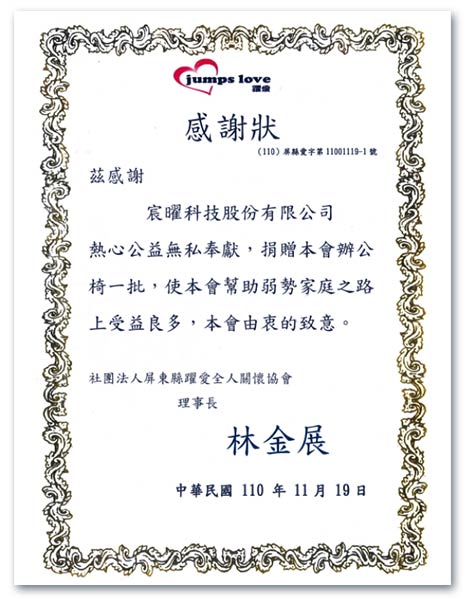
喜憨兒感謝狀
捐贈活動
捐贈活動
捐贈活動
捐贈活動
捐贈活動
捐贈活動


支持弱勢團體

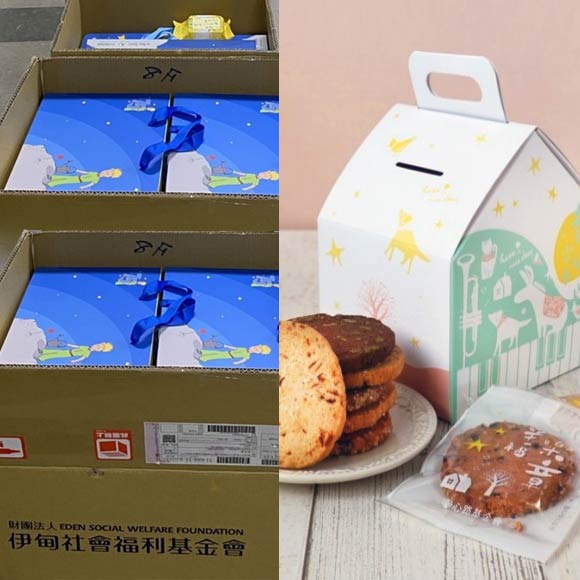
認購與支持:伊甸台東庇護工場中秋節禮盒、心路基金會餅乾禮盒 認購與支持:伊甸台東庇護工場中秋節禮盒、
心路基金會餅乾禮盒

關懷與接納:視障按摩小站 關懷與接納:視障按摩小站


響應捐血活動

攜手員工與社區鄰里一同參與 攜手員工與社區鄰里一同參與

攜手員工與社區鄰里一同參與


歲末送暖,舊鞋募集

歲末送暖,舊鞋募集


5.0 客戶與個人資料隱私保護

本公司重視客戶、員工及利害關係人之個人資料與隱私權保護,已於 109 年 7 月 依《個人資料保護法》制定並實施《個人資料保護管理辦法》,明確規範個人資料於蒐集、處理、利用、保存及銷毀等各階段之管理原則,以確保資料安全性、合法性及適當使用。

在治理機制上,由行政管理部統籌個人資料保護相關事務,並建立個人資料管理機制,持續落實個人資料保護政策之執行與內部控管。為確保政策有效落實,本公司已採取以下具體措施:

  • 新人宣導機制: 透過員工手冊向全體新進員工宣導個人資料保護相關規範,宣導率達 100%
  • 關鍵職務控管: 針對因業務需求需接觸個人資料之相關職務人員,要求簽署個人資料保護與保密相關同意文件,簽署率達 100%
  • 制度持續強化: 自 2025 年 11 月起,將個人資料保護同意文件之簽署對象擴大至每位新進員工,進一步強化全員個資保護意識與制度落實。

本公司將持續檢視並精進個人資料保護相關制度與執行機制,以確保政策之有效落實,並維護客戶與利害關係人之資訊安全與隱私權益。


Related Product 1: - Please select Product -
Related Product 2: - Please select Product -
Related Product 3: - Please select Product -
Related Product 4: - Please select Product -
Related Product 5: - Please select Product -
Related Product 6: - Please select Product -
Related Product 7: - Please select Product -
Related Product 8: - Please select Product -


永續報告書


Related Product 1: RPM-450
Related Product 2: PB-9250J-SA Series
Related Product 3: PB-4600J-SA Series
Related Product 4: PB-2580J-SA Series
Related Product 5: - Please select Product -
Related Product 6: - Please select Product -
Related Product 7: - Please select Product -
Related Product 8: - Please select Product -

Industrial Power Problems Are Costing You More Than You Think


In today's highly digitalized and automated industrial world, mission-critical systems—such as smart logistics fleets, automated production lines, and remote gas station infrastructure—depend on the uninterrupted stability of industrial PCs (IPCs). Yet among all operational risks, power instability remains one of the most underestimated threats to system reliability and data integrity.

Common Power Issues That Threaten Industrial Operations

  • Voltage Fluctuations and Electrical Noise
    Sudden voltage drops during vehicle ignition, spikes across factory power grids, or electromagnetic interference from heavy machinery can seriously weaken IPC performance. These disturbances may cause system freezes, processing errors, or even permanent hardware failure.
  • Unexpected Power Outages
    Unintentional shutdowns caused by depleted batteries, loose cables, or unexpected grid failures interrupt critical processes. Worse still, they can corrupt databases, damage storage media, and trigger cascading system failures.

Dual-Layer Defense Architecture: The Proven Strategy for Industrial Power Stability

To achieve true operational reliability, your IPC needs a power system that is both proactive and reactive. This is where a two-tiered protection strategy becomes essential.

Tier 1: Intelligent Voltage Stabilization — Eliminating Front-End Power "Noise"

Think of your industrial PC operating protected from the chaos of external electrical conditions. That is the purpose of the 450W Voltage Regulator Module (RPM-450) Engineered for harsh industrial and vehicular environments, the RPM-450 accepts 9V to 32V unstable input sources, filters and conditions the incoming voltage, and outputs a clean and stable 13.8V supply. It protects against drops, reverse polarity, and transient noise.

Engineered for harsh industrial and vehicular environments, the RPM-450:

  • Accepts 9V to 32V unstable input sources (vehicle batteries, industrial power buses, etc.)
  • Filters and conditions the incoming voltage
  • Protects against drops, reverse polarity, and transient noise
  • Outputs a clean and stable 13.8V supply
  • Ideal for wide range DC input such as rugged industrial computers

This creates a stable electrical foundation, ensuring that sensitive IPC components operate at peak performance in volatile vehicular conditions.

Tier 2: Supercapacitor-Based Backup — Save & Shutdown

Even with perfect voltage regulation, sudden outages can still occur. That's where the patented Supercapacitor Power Backup Module An indispensable backup module with outstanding high-temperature durability (up to 65°C) and an extremely long service life (500,000 charge-discharge cycles). It provides instant backup power during outages, allowing the system to save data and perform a safe, controlled shutdown. becomes indispensable.

Why Supercapacitors Outperform Traditional Battery-Based UPS Systems

  • Outstanding High-Temperature Durability:
    Continues performing reliably up to 65°C without the degradation, corrosion, or cycle limitations typical of lithium or lead-acid batteries.
  • Extremely Long Service Life:
    Supercapacitors have up to 10 years lifespan or 500,000 charge-discharge cycles.
  • Instant Power Backup, Data Integrity & Safe Shutdown:
    Real-time energy management ensures the IPC receives immediate backup power during outages, allowing the system to save data and perform a safe, controlled shutdown.

Together, these advantages minimize the data-loss risks that conventional UPS solutions often fail to address.


3 High-Value Application Scenarios Where Dual-Layer Protection Excels

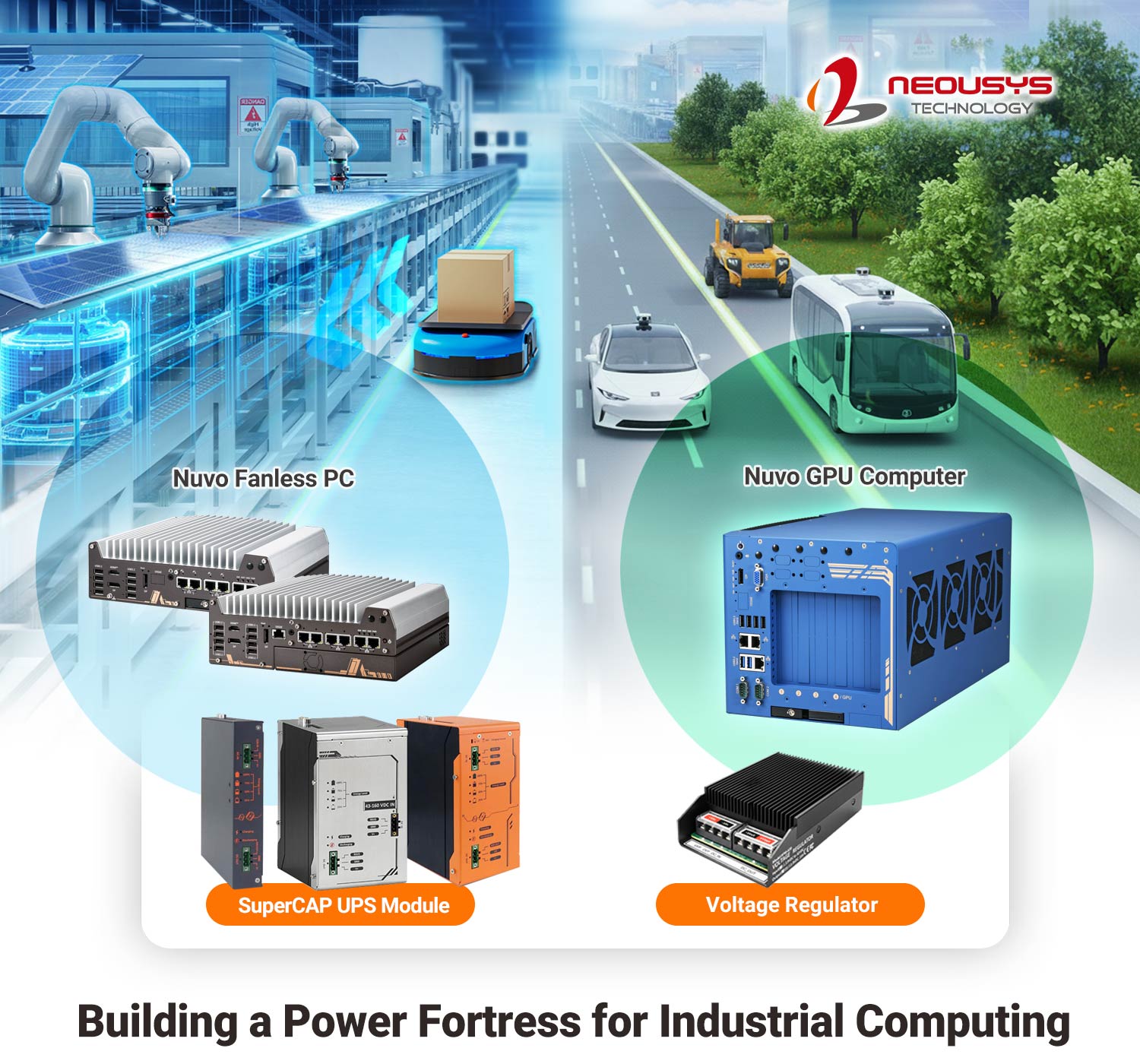
Building a Power Fortress for Industrial Computing

1. In-Vehicle Computing Systems

  • Handles voltage drops during engine ignition
  • Compensates for fluctuating power while driving
  • Prevents data loss during unexpected vehicle shutdowns

2. Factory Automation & Smart Manufacturing

  • Neutralizes electrical noise from heavy industrial machinery
  • Prevents downtime due to grid instability
  • Maintains production line continuity and uptime

3. Outdoor Systems (Gas Stations, Retail Kiosks, Surveillance)

  • Operates reliably in extreme temperatures
  • Protects transaction data, logs, and surveillance footage
  • Ensures safe shutdown during grid failures or maintenance events

Empower Your Industrial PCs With Uninterrupted, Clean, and Reliable Power

By integrating both layers —front-end voltage stabilization and supercapacitor-based backup protection— you create a robust, future-ready power architecture that significantly improves:

  • System uptime
  • Data integrity
  • Equipment lifespan
  • Operational efficiency
  • Total cost of ownership

In a world where every second of uptime matters, this dual-layer solution delivers the reliable power foundation that modern industrial systems demand.


Frequently Asked Questions (FAQ)

  • Q1: Why do industrial PCs need dual-layered power protection?
    A: Because power anomalies are one of the main causes of unplanned downtime, which can lead to millions or even hundreds of millions of dollars in losses annually. Dual-layered protection addresses the two major pain points of 'unstable voltage' and 'sudden power outages' simultaneously.

  • Q2: What is the difference between a supercapacitor UPS and a traditional battery UPS?
    A: A supercapacitor UPS can withstand higher temperatures (up to 65°C), has a charge-discharge lifespan of up to 500,000 cycles, and low maintenance costs. In contrast, traditional battery UPS systems often fail due to high temperatures or aging. The main function of the supercapacitor UPS is to save data and safely shutdown the system in an unforeseen power loss event. Where the traditional battery-based UPS may offer longer runtime, but it’s up to the user to determine when to save the data and shutdown the system before the UPS battery runs out.

  • Q3: What industries is this solution suitable for?
    A: It is suitable for in-vehicle computers, factory automation lines, energy and transportation infrastructure, as well as equipment in gas stations or for outdoor monitoring. It is especially ideal for applications with high data integrity requirements and harsh operating environments.

  • Q4: Is this solution too expensive?
    A: For medium to large industrial factories, downtime losses can amount to hundreds of thousands of dollars per hour, this dual-layered solution is an investment that offers a high return. It can significantly reduce business risks and maintenance costs.

Conclusion:

Choosing Dual-Layer Power Protection Means Choosing Operational Continuity. By combining the 450W Voltage Regulator Module and the SuperCap UPS Backup Module, industrial PCs not only gain a stable power source but also ensure data integrity during power outages, truly achieving an industrial-grade power solution.

Related Product 1: - Please select Product -
Related Product 2: - Please select Product -
Related Product 3: - Please select Product -
Related Product 4: - Please select Product -
Related Product 5: - Please select Product -
Related Product 6: - Please select Product -
Related Product 7: - Please select Product -
Related Product 8: - Please select Product -

Introduction

In the era of smart manufacturing, factory automation, image analysis, and security, AI workloads demand high throughput and low latency at the edge. Traditional CPU or GPU architectures face challenges in power efficiency, thermal management, and system cost. Intel addresses this with the Neural Processing Unit (NPU) integrated into the Intel® Core™ Ultra 200S Series (Series 2) processors, providing specialized hardware for deep learning inference directly on industrial PCs.


What is Intel NPU?

The Intel® NPU is a dedicated AI acceleration engine integrated into the Intel Core Ultra 200S processors. Unlike a discrete PCIe accelerator card, the NPU is built into the SoC and accessed by applications through system drivers and AI frameworks such as Windows ML, DirectML, and OpenVINO™. This makes it seamless for software developers and system integrators to harness AI capabilities without requiring additional hardware.

At a high level, the Intel® NPU integrates specialized compute units optimized for deep learning inference, delivering the throughput required for AI-driven applications while maintaining efficiency for power- and performance-sensitive platforms, including fanless industrial PCs.

This architecture allows Core Ultra 200S processors to efficiently handle tasks such as image classification, object detection, predictive maintenance, and anomaly detection, without overloading the CPU or GPU.


Why Intel NPU Matters for Industrial PCs

  • High-Performance Edge AI
    The NPU provides dedicated compute resources for real-time deep learning inference, enabling automated optical inspection (AOI), robotics guidance, and predictive analytics at the edge.
  • Energy Efficiency and Fanless Operation
    By offloading AI tasks from the CPU and GPU, the NPU significantly improves performance-per-watt. This is especially valuable for fanless industrial PCs, which must deliver 24/7 reliability in harsh environments.
  • Stable, Long-Term Deployment
    Core Ultra 200S processors benefit from Intel’s embedded lifecycle support program (typically 5+ years depending on SKU), ensuring that automation projects and industrial deployments have long-term supply stability.

Industrial Applications

  • Smart Manufacturing: AOI defect detection, robotic arm path optimization
  • Machine Vision and AOI: High-speed image classification, anomaly detection
  • Warehouse Automation: AMR (Autonomous Mobile Robot) navigation, intelligent sorting
  • Semiconductor Industry: Wafer inspection, packaging quality analysis
  • The Intel NPU enables low-latency, high-throughput AI inference, allowing industrial PCs to operate smarter and faster without the need for centralized servers.

OpenVINO™ Integration

Intel's OpenVINO™ toolkit further enhances the NPU experience:

  • Model Optimization: Convert TensorFlow, PyTorch, or ONNX models for acceleration
  • Heterogeneous Execution: Enables developers to distribute workloads across CPU, GPU, and NPU for optimized execution
  • Rapid Deployment: Shortens proof-of-concept and production deployment timelines

This empowers engineers and system integrators to accelerate AI adoption in industrial environments with flexibility and efficiency.


Neousys Industrial Edge AI Platform Powered by Core Ultra 200S

Designed for industrial edge AI, the Neousys Nuvo-11000 embedded fanless computers integrate Intel® Core™ Ultra 200S (Series 2) processors, combining performance-efficient hybrid cores with an on-chip NPU. Together with CPU and GPU resources, the platform delivers up to 36 TOPS of combined AI performance.

Key features include:

  • High-speed DDR5-6400 memory and PCIe Gen5 lanes for demanding AI workloads
  • Versatile I/O options for machine vision, automation, and in-vehicle computing
  • Fanless design, wide-temperature operation, and wide-range DC input, ensuring reliability in mission-critical deployments

With this combination, engineers and system integrators can build robust, real-time AI solutions directly at the edge.


Conclusion

So, what is Intel NPU?

It is a purpose-built AI accelerator embedded in Intel Core Ultra 200S processors, designed to provide high-performance, low-latency, and energy-efficient deep learning inference.

Paired with Neousys Nuvo fanless industrial PCs and OpenVINO™, Intel NPU enables engineers and system integrators to deliver real-time intelligence for automation, machine vision, warehouse management, and semiconductor applications—empowering industries to build smarter, faster, and more reliable edge AI solutions.


Related Product 1: - Please select Product -
Related Product 2: - Please select Product -
Related Product 3: - Please select Product -
Related Product 4: - Please select Product -
Related Product 5: - Please select Product -
Related Product 6: - Please select Product -
Related Product 7: - Please select Product -
Related Product 8: - Please select Product -

"Is it faulty when a fanless industrial PC feels hot to the touch?" In general, we're used to the slight warmth of a laptop or home PC, so when we touch the heatsink of a fanless industrial PC in operation, our immediate concern is whether it's overheating or malfunctioning.

In fact, the hot to touch heatsink does not mean it is malfunctioning but rather that the fanless industrial PC's passive thermal design is working. To operate stably for long periods in harsh environments, fanless industrial PCs have a completely different thermal philosophy than home PCs. Thermal design is the key to ensuring system reliability. This article will delve into why fanless industrial PCs "feel hot to the touch" and reveal the thermal management technologies behind them.


Fanless Industrial PC vs. Home PC: The Main Difference in Thermal Design Home PC: Active Cooling

  • Uses fans to draw heat away from hot components like the CPU and GPU
  • Pros: High cooling efficiency.
  • Cons: Fans cannot operate in dusty, high-temperature, humid, or high-vibration industrial environments, as they may accumulate dust and result in damage or failure, leading to system overheating and shutdown.

Fanless Industrial PC: Fanless Passive Cooling

  • Relies on thermal materials, aluminum enclosure, heatsink fins, and heat pipes to conduct heat to the surface for dissipation.
  • Pros: Completely eliminates fans (point-of-failure), to offer high stability, maintenance-free, dust- and vibration-resistant, and extend lifespan.
  • Cons: The surface temperature of the heatsink/ enclosure is higher and may feel "hot" to the touch.

Why Does a Passively Cooled Heatsink Get Hot?

In electronics, heat is the number one threat to component lifespan. High temperatures accelerate the aging of electronic parts, loosen solder joints, and even compromise data integrity.

The cooling principle employed by fanless industrial PCs is to conduct the heat generated by components to the outer surface of the heatsink/ enclosure, which the heat can then dissipate. Therefore, if a fanless industrial PC's heatsink/ enclosure is hot to the touch, it actually means it has effectively drawn heat away from critical components, ensuring system stability.


Three Common Passive Cooling Technologies in Fanless Industrial PCs

1. High-Efficiency Thermal Materials

  • Industrial-grade thermal paste and thermal pads fill tiny gaps between the CPU/GPU and the heatsink.
  • Long-lasting and resistant to degradation, they ensure stable cooling efficiency even under long-term high-temperature operation.

2. Aluminum Enclosure with Heatsink Fins

  • The full aluminum enclosure itself acts as a large heatsink.
  • Special fin structures increase the surface area to rapidly dissipate heat.

3. Heat Pipe Technology

  • Used in high-performance or space-constrained models.
  • Utilizes the principle of phase change to quickly transfer heat away from the heat source, significantly boosting cooling efficiency.

Neousys Technology's Fanless Thermal Design

Neousys Technology's Fanless Thermal Design

In response to harsh industrial environments, Neousys fanless industrial PCs’ thermal design utilizes aluminum casing + heatsink fins + thermal materials. The layout is optimized at the mainboard design stage to evenly distribute hot components across the PCB to help achieve heat-soak equilibrium.

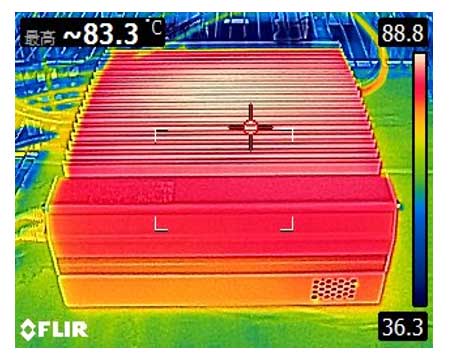
Based on test data, at an ambient temperature of 70°C, the aluminum heatsink can reached a maximum surface temperature of 88.8°C with infrared thermography showing uniform temperature distribution across the heatsink, suggesting the strategic placement of components effectively avoided heat-soaking in concentrated areas.

Neousys Technology's Fanless Thermal Design

For installation within enclosures, Neousys' fanless flattop computers, FT series, their heatsink is mounted directly onto the enclosure wall surface with a thermal pad, conducting heat onto the outside of the enclosure. This design serves two purposes, one, it prevents heat buildup inside the enclosure, and two, without the heatsink fins, the system is smaller in dimensions, making it ideal for confined or enclosed systems.


Conclusion: Hot to the Touch Means Heat Conducted to Heatsink

When your fanless industrial PC feels hot, it means heat generated by components are being conducted onto the surface of the heatsink. It is protecting itself, ensuring stable long-term operations in harsh environments.

From advanced thermal interface materials and aluminum fins to heat pipe technology, these thermal designs are engineered to sustain fanless industrial PC high-performance and longevity of fanless industrial PCs, even under harsh environmental conditions.


Frequently Asked Questions (FAQ)

  • Is it normal for a fanless industrial PC to feel hot to the touch?
    Yes, it is. Fanless industrial PCs use a fanless passive cooling design that conducts the component generated heat to the heatsink/ enclosure. Therefore, a higher surface temperature is normal.

  • Why don't fanless industrial PCs use fans for cooling?
    Industrial environments often have dust, high temperatures, moisture, and vibrations. Fans are prone to accumulating dust or damaged, leading to overheating. A fanless design avoids this point-of-failure by utilizing thermal materials, aluminum casing, heatsink fins, and heat pipes for passive cooling.

  • What is a normal heatsink/ enclosure temperature for a fanless industrial PC?
    Depending on the environment and workload, the surface temperature of a fanless industrial PC's aluminum casing is typically between 50°C and 90°C. Even if the heatsink/ enclosure feels hot to the touch, as long as it operates within the specified temperature range, it's considered normal.

Related Product 1: - Please select Product -
Related Product 2: - Please select Product -
Related Product 3: - Please select Product -
Related Product 4: - Please select Product -
Related Product 5: - Please select Product -
Related Product 6: - Please select Product -
Related Product 7: - Please select Product -
Related Product 8: - Please select Product -

Overview

The evolution of industrial Gigabit Ethernet cards combining Power over Ethernet (PoE) functionality has mimicked the growing demand

The evolution of industrial Gigabit Ethernet cards combining Power over Ethernet (PoE) functionality has mimicked the growing demand for higher bandwidth, increased power delivery, and rugged reliability in modern industrial applications. Initially, 1Gb Ethernet PoE cards dominated the landscape, offering up to 15.4W per port under IEEE 802.3af (PoE) and later up to 30W per port with IEEE 802.3at (PoE+). These solutions served well for powering peripheral devices at the time, such as Gigabit IP cameras (requiring 3W to 5W), PoE-powered panel PCs, etc.

With the emergence of bandwidth-intensive applications, such as high-resolution video surveillance, AI-powered edge devices, and industrial automation, came the need for faster data rates and higher power delivery. This led to the development of 2.5Gb and 5Gb Ethernet PoE cards compliant with NBASE-T standards, maintaining backward compatibility with Cat5e cabling while improving throughput. These intermediate speeds enabled smoother data handling at the cost of generating excessive heat, but without the need to overhaul infrastructures. As a result, efficient thermal management has emerged as a critical consideration in the design and operation of high-speed Ethernet connectivity.

The integration of 10Gb Ethernet for ultra-fast data transfer and IEEE 802.3bt Type 4 (PoE++) for power delivery, offering up to 90W per port, represents a significant advancement in supporting modern edge AI applications and ultra-high-resolution cameras. This combination meets the bandwidth and power demands of next-generation devices.


Challenges of Deploying 10Gb PoE++ Cards in Embedded Systems, in the Field

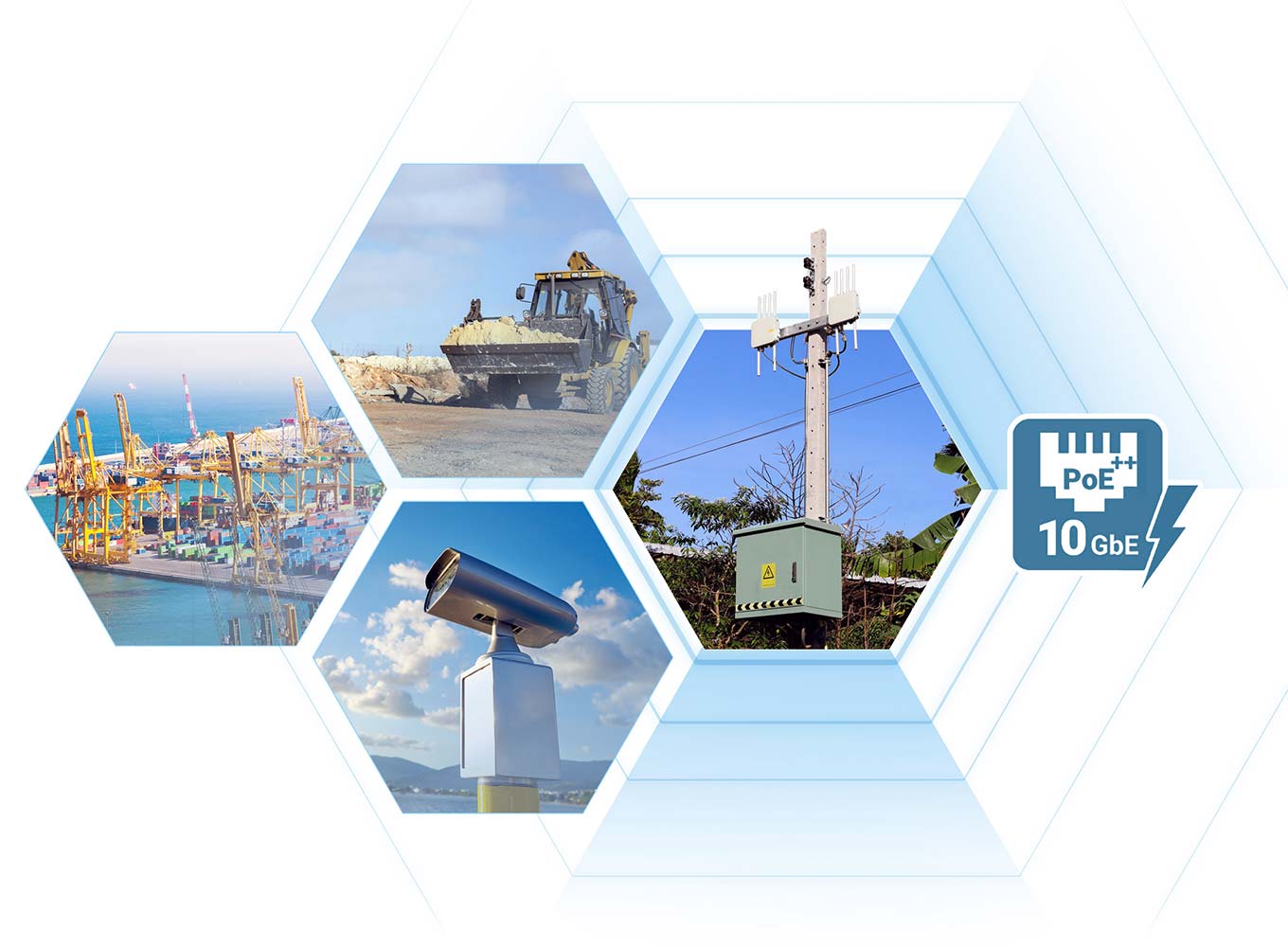
When 10Gb PoE++ industrial add-on cards are installed into industrial embedded computers, they unlock powerful new capabilities for a range of high-performance edge applications, particularly in intelligent factory, smart city and public infrastructure deployments. These add-on cards provide both high-speed data transmission and robust power delivery over a single Ethernet cable, streamlining installation and reducing the need for separate power lines in remote or difficult-to-access areas. This makes them ideal for outdoor high-speed WiFi 7/ 6 access points, PTZ cameras, AI-powered PTZ precision cameras, smart light poles, and kiosk information stations. In these scenarios, reliable power and high-throughput data are critical. At the same time, these application deployments pose thermal management challenges during operation due to environmental conditions, and both fast data throughput and power delivery will result in excess heat generation. Therefore, most add-on cards rarely have both 10Gb and PoE++, and will only have one or the other advanced specification to minimize the heat generated, to sustain operations.

For example, AI-enabled PTZ cameras deployed in applications such as traffic monitoring or port security often demand up to 51 watts of power via PoE++ (IEEE 802.3bt) and require a sustained data throughput of at least 1 Gbps to enable real-time video streaming, object recognition, and AI inference at the edge. However, the high-performance demands of these cameras also result in elevated power and thermal loads. In harsh environment conditions, there have been instances of PTZ camera failures caused by overheating, where the PoE card was unable to maintain continuous power delivery or data throughput. Such thermal-induced incidents can lead not only to device shutdowns, but also data loss and packet drops, compromising both system reliability and real-time operations.

In addition to performance, the card's durability is also essential. Installed in embedded systems that are often deployed in exposed environments such as roadside, intersections, harbor ports, or public spaces, they must operate reliably in a wide range of environmental conditions. Therefore, PoE cards used in these embedded computers must be capable of withstanding wide range temperatures, especially for high data throughput and sustained power output operations.

Power-hungry devices such as pan-tilt-zoom (PTZ) cameras, 8K ultra-high-resolution cameras (typically requiring up to 50W), wireless access points, and embedded industrial PCs can all be supported through a single Ethernet cable. PoE++ simplifies installation with streamlined cabling and efficient power management—key advantages for high-density smart city deployments across roadsides, seaports, industrial zones, agriculture fields, and mining operations.

The evolution of industrial Gigabit Ethernet cards combining Power over Ethernet (PoE) functionality has mimicked the growing demand

Neousys' Industrial Wide Temperature 10GbE PoE++ Card

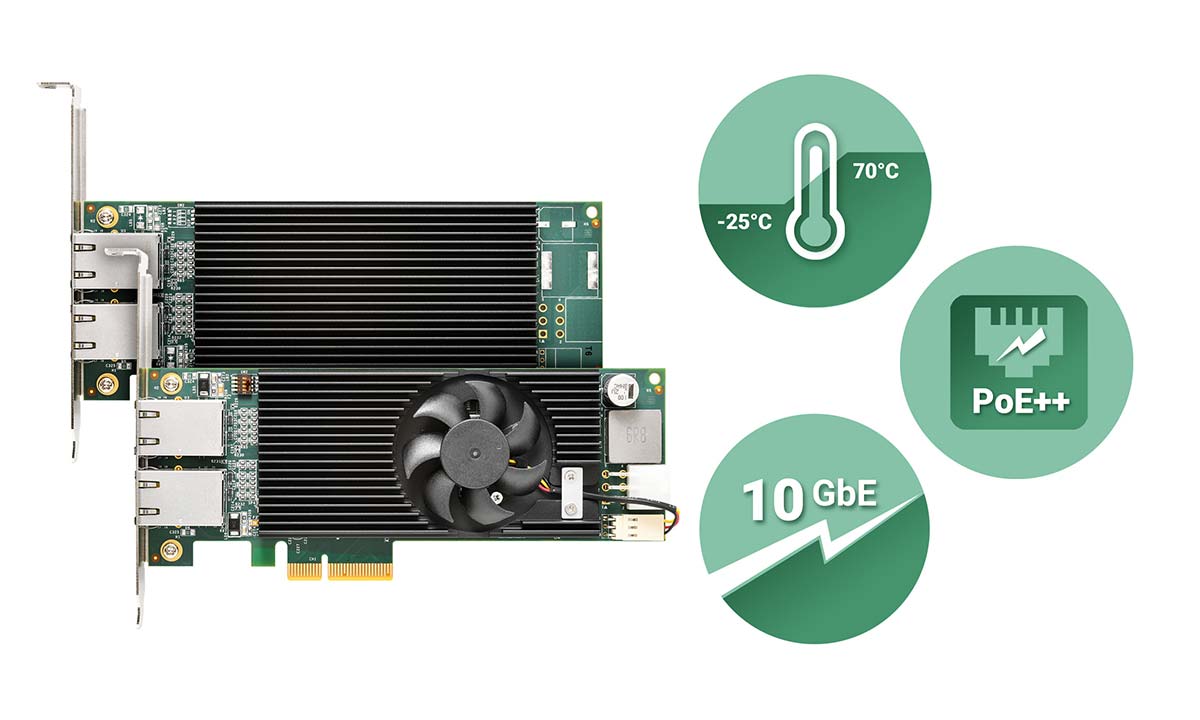
Neousys Technology offers a robust range of industrial-grade PCIe add-on cards engineered to meet the stringent demands of harsh and mission-critical environments, including Gigabit, 2.5Gb and 10Gb cards with or without PoE. When released, the 10Gb high-speed Ethernet cards with advanced PoE++ IEEE 802.3bt, were one of the first 10Gb PoE++ cards specifically designed for industrial operations. The card enhanced system performance by enabling up to 10Gb of data throughput and up to 90W per port power delivery, crucial for smart city and intelligent factory applications such as machine vision, public safety monitoring, and industrial automation.

What sets the Neousys' 10Gb PoE++ card apart is its wide-temperature operation capability, withstanding extreme ambient temperatures ranging from -25°C to 70°C. Its strategic component placement design ensures continuous operation in extreme weather, from scorching summer heat to freezing winter temperatures, making it particularly suitable for deployment in outdoor applications such as roadside infrastructure, and remote industrial locations where environmental control is limited.

The 10Gb Ethernet interface can support multiple high-resolution data streams simultaneously or high-power devices such as outdoor WiFi 7 AP, ideal for real-time analytics, public safety monitoring, and large-scale sensor integration across smart city platforms. In addition, the ability to supply up to 90W per port to power devices also simplifies network deployment by reducing infrastructure complexity while lowering total cost of ownership.

The evolution of industrial Gigabit Ethernet cards combining Power over Ethernet (PoE) functionality has mimicked the growing demand

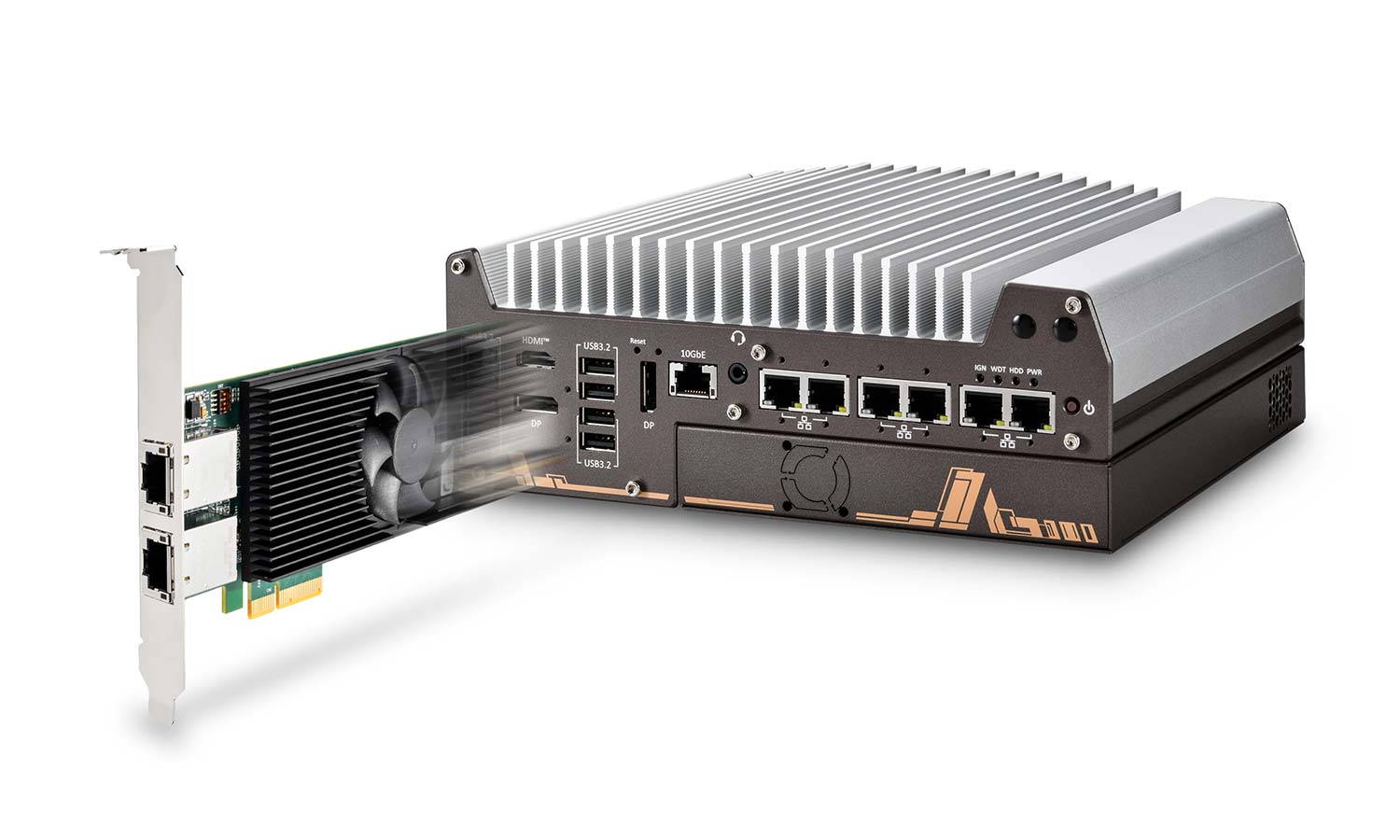
Engineered for industrial computers and applications, the card incorporates rugged and highly-reliable components to ensure stable and consistent performance in demanding and thermal volatile environments. Its low-profile, plug-and-play PCIe Gen3 x4 interface enables seamless integration across a wide range of industrial PC systems, simplifying deployment complexity while reducing system downtime. The card supports GigE Vision 3.0 cameras with RDMA (Remote Direct Memory Access) technology, which significantly enhances data transfer efficiency by bypassing traditional CPU-intensive packet handling and memory copy operations. This results in up to 90% reduction in CPU utilization, allowing more resources to be dedicated to real-time processing tasks such as image analysis and AI inference. For industries requiring optimized performance, power distribution, and enhanced reliability in harsh environments, Neousys 10Gb PoE++ card is an ideal future-ready solution capable of sustaining high-throughput and low-latency connections for modern applications.

By integrating Neousys 10Gb PoE++ card into your embedded computer, it enables a compact yet highly capable solution for powering and networking intelligent devices in mission-critical indoor/ outdoor applications. Its combination of high-power output, fast data transmission, and industrial-grade reliability ensures your solution meets the rigorous demands of next-generation smart infrastructure.

Main menu