Overview
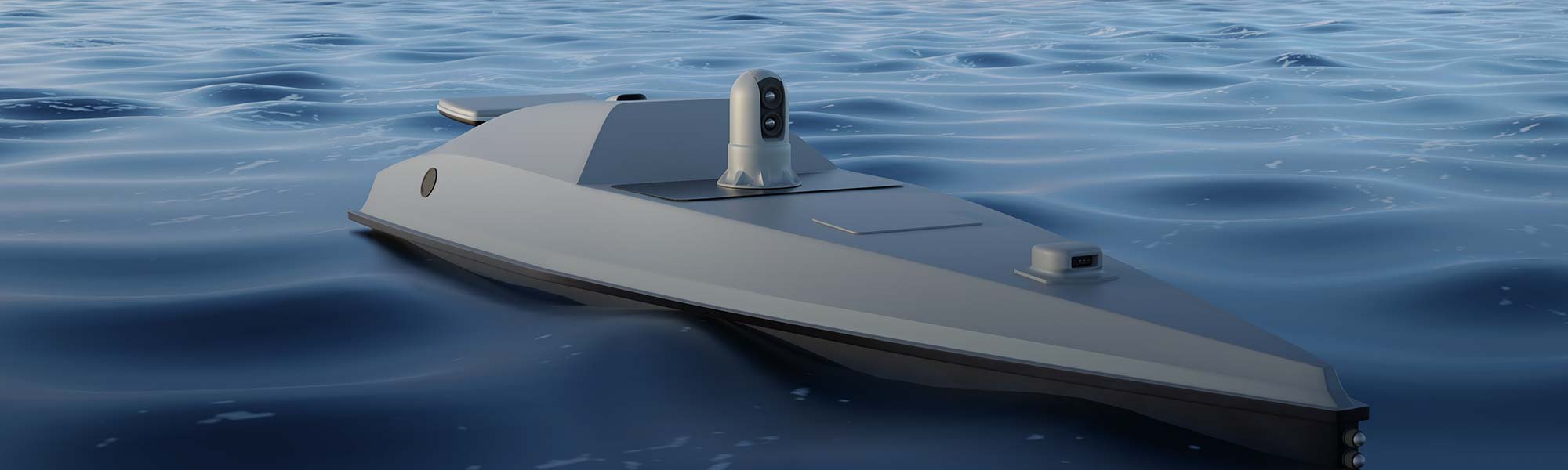
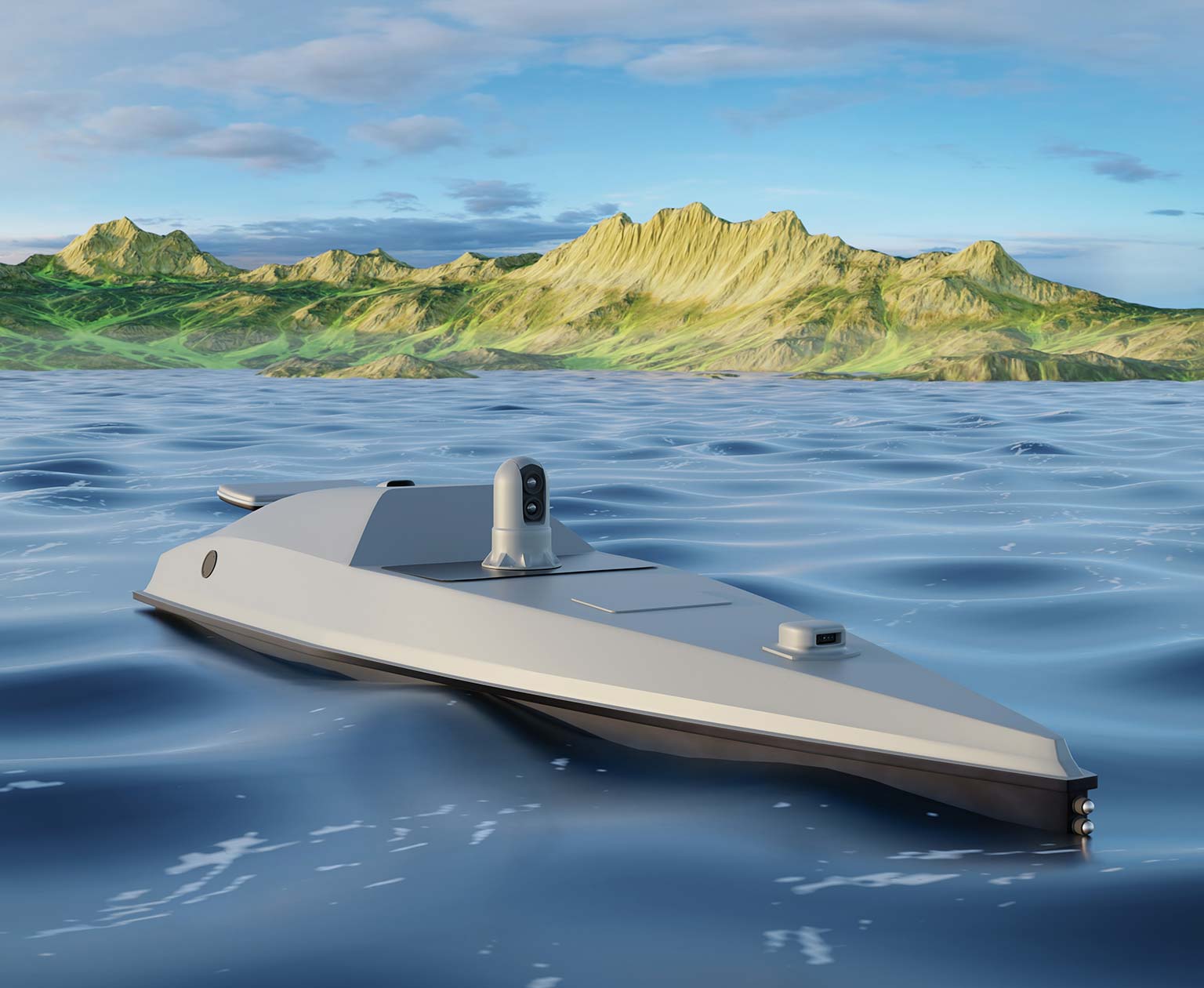
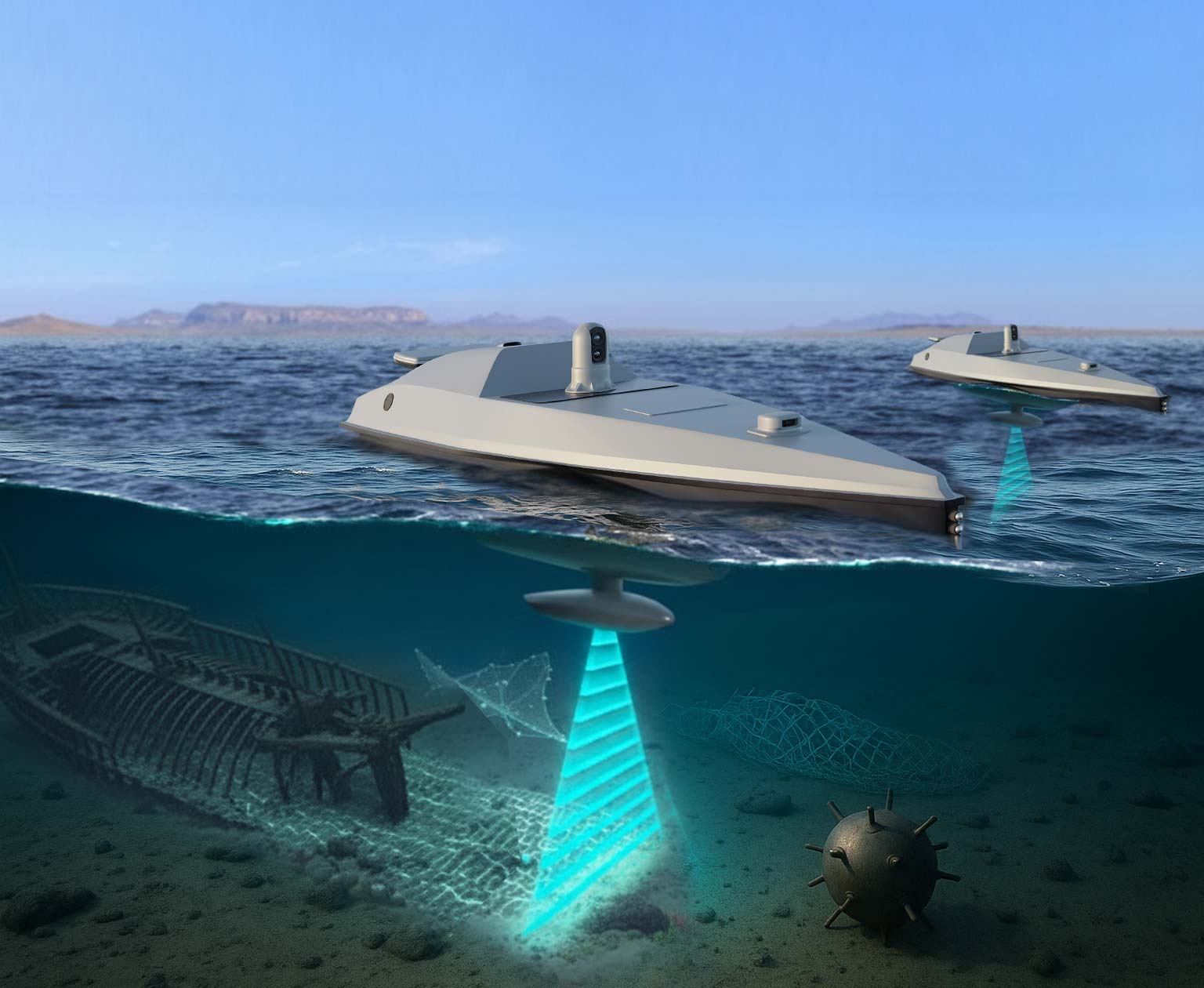
This next-generation module for vessels is equipped with advanced surface and sub-surface awareness technologies, powered by rugged edge AI computing. Designed to operate in dynamic maritime environments, the edge AI computer enables the ship to function as a smart, multicapable platform that enhances safety, navigation, and environmental awareness.
Using a network of high-performance sensors and onboard AI, the vessel can detect and respond to objects on the water's surface (other boats, floating debris, or navigational hazards), in real time. At the same time, sub-surface systems including sonar arrays and aerial support can identify shallow waters, underwater obstacles, or hard-to-see debris below the surface.
At the heart of this system is an ultra-rugged edge computing core that processes large volumes of sensor data directly on the vessel. This allows for instant analysis and decision-making, even in remote or data-limited areas—reducing risk, improving efficiency, and supporting autonomous or assisted navigation.
Together, the module's capabilities transform the vessel into a digital, multi-functional maritime platform, ideal for a variety of applications such as research, exploration, environmental monitoring, or complex operational tasks.
Challenges
When deploying the modules onboard a vessel, the utilized embedded edge AI system must endure some of the harshest conditions for electronics.
Constant shock and vibration from high-speed maneuvers, rough seas, and helicopter or USV launch/recovery operations threaten system stability and connector integrity.
Humidity and salinity are among the most corrosive threats, gradually degrading connectors, PCBs, and power delivery if not mitigated. IP-rated housings, marine-grade connectors, and anti-corrosion treatments protect electronics over long deployments. Moisture condensation, particularly during rapid temperature shifts, risks shorting delicate AI accelerators and FPGAs used for sonar image reconstruction and pattern recognition.
Additionally, electromagnetic interference (EMI) from shipboard radar, sonar, and communications systems can impact high-speed data transfer between GPUs, CPUs, and peripheral modules, requiring robust shielding and MIL-STD-461 compliance.
Finally, long deployments mean the embedded edge AI system must operate continuously for weeks or months without maintenance intervention, so power supply stability, redundancy, and resistance to transient surges from vessel's generators are critical. Together, these challenges demand ruggedized design far beyond standard commercial embedded computers.
Solution

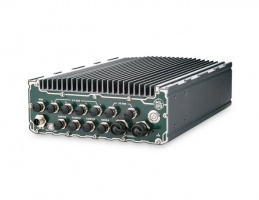
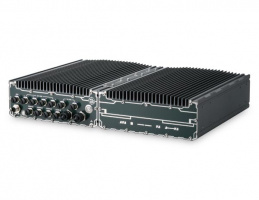
The Neousys SEMIL-2200GC addresses the extreme operational challenges of deploying edge AI computers on vessels at sea for research, exploration, maritime monitoring, etc.
Its IP69K-rated, fully sealed chassis protects GPUs, CPUs, and I/ O from humidity, condensation, and corrosive salinity, while fullysealed and corrosion-resistant M12 connectors ensure long-term signal integrity under salt fog exposure.
To counter constant shipboard vibration and mechanical shock, SEMIL-2200GC employs MIL-STD-810G compliance to withstand shock and vibration, ensuring stable operation during high-speed maneuvers and unmanned system deployment.
Its fanless, conduction-cooled thermal design enables the NVIDIA® L4 GPU to sustain maximum performance across a wide -40°C up to 70°C temperature range without airflow, preventing moisture ingress and reducing failure points.
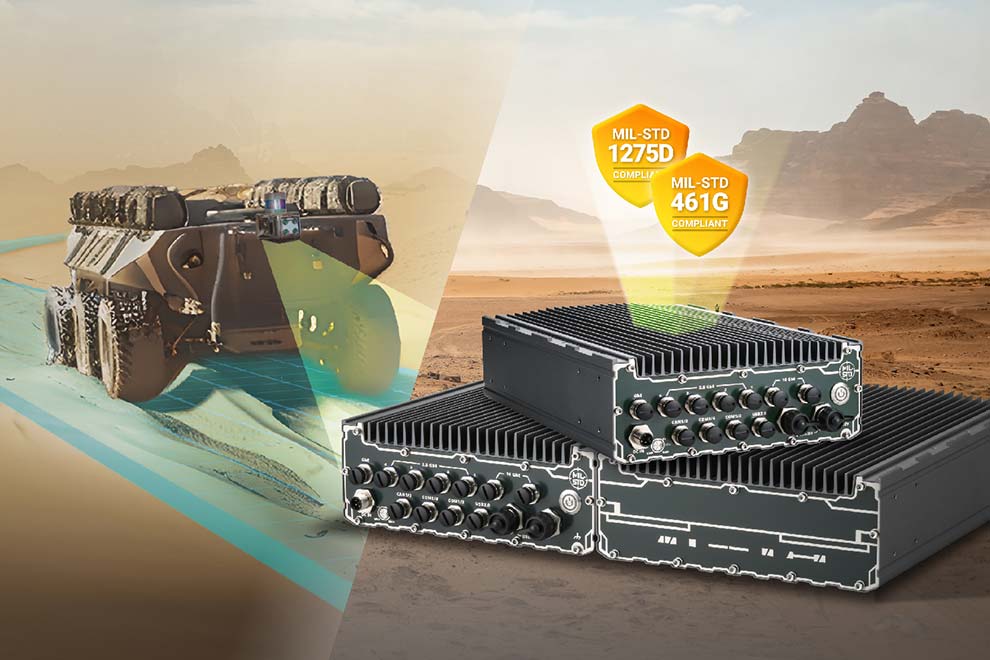
To mitigate electromagnetic interference (EMI) from shipboard radar and sonar, the system is MIL-STD-461 compliant, safeguarding high-bandwidth sonar and acoustic data streams critical missions.
Its wide-range DC power inputs with reverse polarity protection ensure stability against fluctuations from vessel generators, supporting continuous weeks-long operations without manual intervention. By combining 485 TOPs (INT8) of edge AI performance with IP69K ruggedization, the SEMIL-2200GC is the perfect platform backbone for ship detection modules, to enable real-time sensor fusion, threat detection, and autonomous decision support in the open sea, one of the most unforgiving environments.