


Overview
A Battlefield Communication Node Vehicle (BCNV) serves as a critical component of modern military operations, enabling seamless and secure communication between various units in dynamic and challenging environments. This vehicle acts as a mobile hub, facilitating real-time information exchange, command coordination, and data dissemination on the battlefield.
BCNVs equipped with advanced communication systems, including radios, satellite links, and networking infrastructure, allowing for interoperability between different branches of the armed forces and allied units. They serve as central nodes within a network, extending the range of communication and ensuring connectivity even in remote or hostile areas where traditional networks might falter.
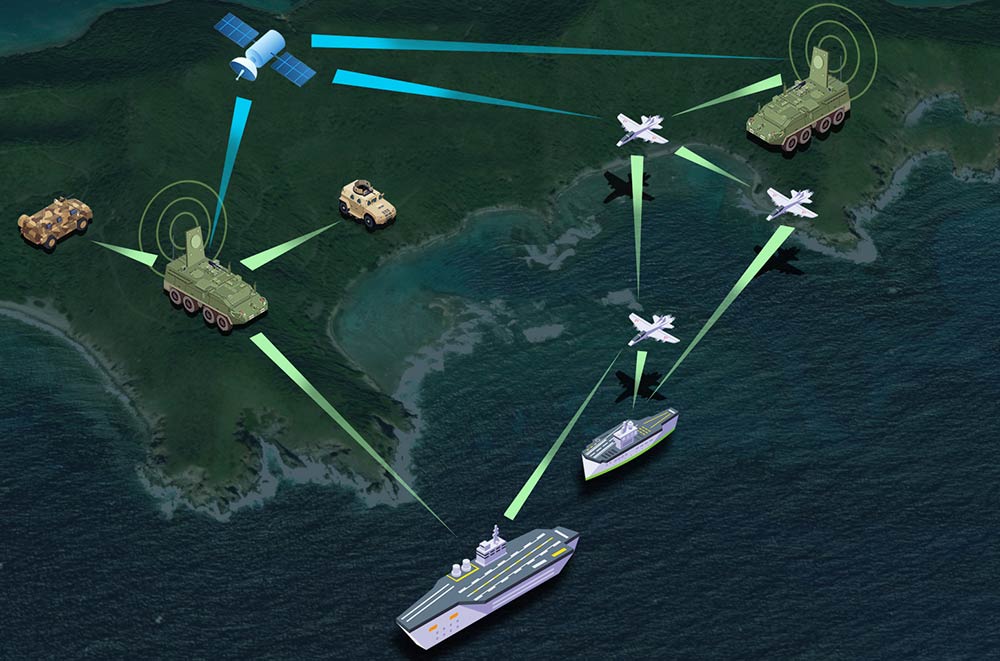 Military communication network across multi-domain battlefield
 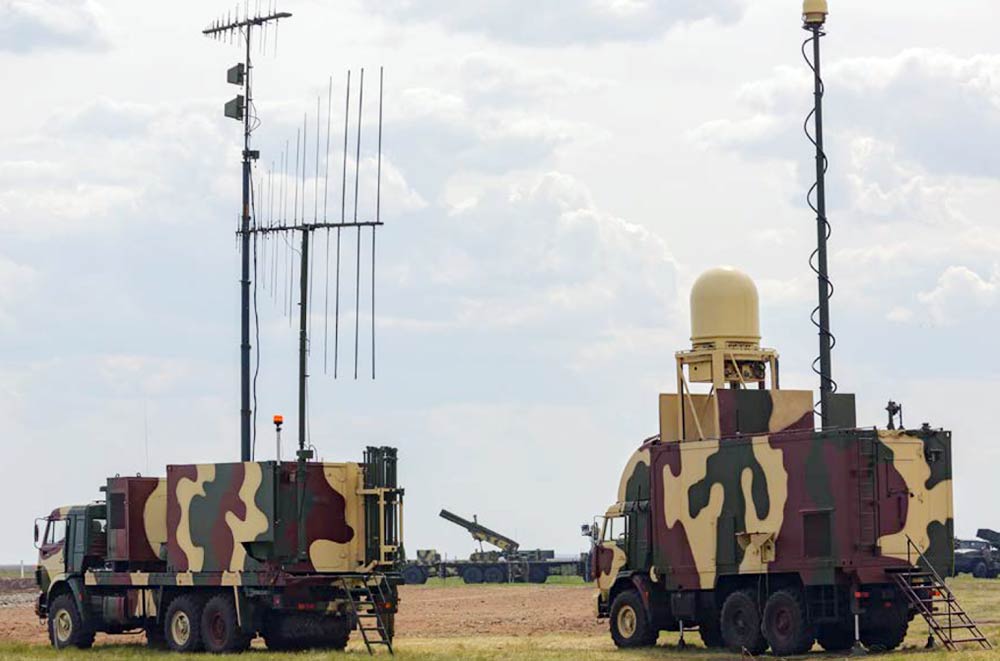 Battlefield communication node vehicles (BCNV)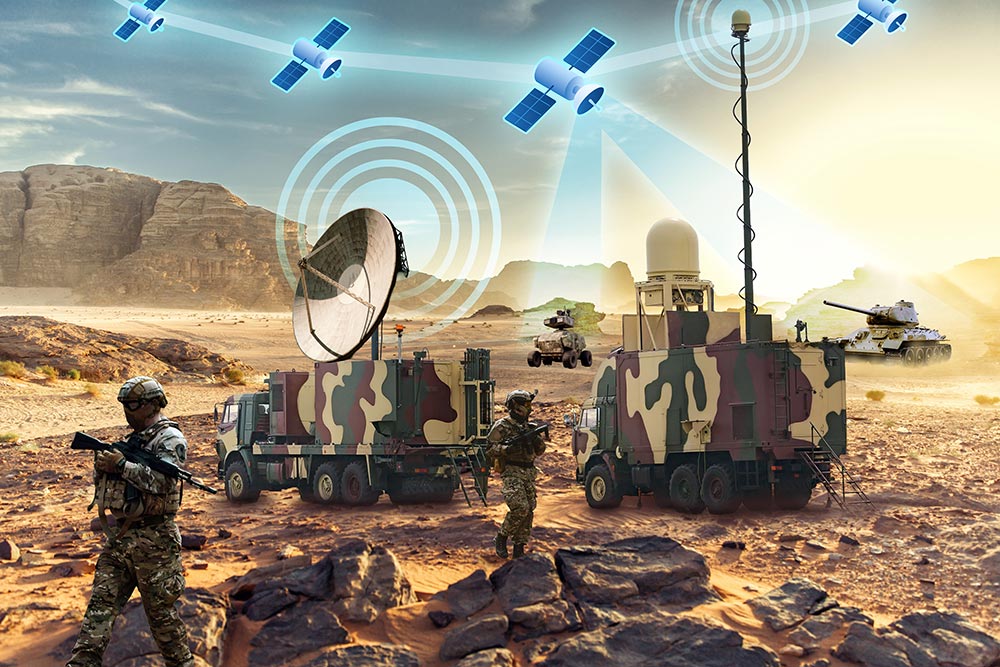
- Command and Control: BCNVs enable commanders to establish a centralized communication hub, providing a comprehensive view of the battlefield and allowing for rapid decision-making based on real-time intelligence.
- Tactical Communication: They facilitate direct communication between ground forces, air support, artillery, and headquarters, ensuring seamless coordination and reducing the risk of communication breakdowns during critical operations.
- Information Sharing: BCNVs enable the sharing of vital information such as maps, images, and situational reports, enhancing situational awareness for all units connected to the network.
- Flexibility and Mobility: These vehicles are designed to be mobile and adaptable, capable of moving with troops to maintain communication continuity as the frontline shifts or as operational needs change.
- Security: BCNVs prioritize secure communication channels, employing encryption and other measures to protect sensitive information from interception or compromise.
In essence, Battlefield Communication Node Vehicles serve as lifelines on the battlefield, ensuring that military units stay connected, informed, and coordinated in the midst of dynamic and often challenging combat scenarios. Their adaptability, robust communication capabilities, and emphasis on security make them integral components of modern military operations.
Challenges
The deployment of Battlefield Communication Node Vehicles (BCNVs) presents several challenges from a computer deployment perspective:
- Complexity of Systems Integration: BCNVs incorporate diverse communication technologies and systems that need seamless integration. Coordinating various hardware, software, and protocols within a confined space demands meticulous planning and expertise to ensure interoperability and functionality.
- Robustness and Reliability: Operating in harsh battlefield conditions requires BCNVs to withstand extreme temperatures, vibrations, dust, and potential combat hazards without compromising their performance. Ensuring the resilience and durability of computer systems in such environments poses a significant challenge.
- Power and Resource Management: BCNVs rely on power sources that may be limited. Optimizing power consumption while running multiple communication systems and maintaining operational readiness is crucial. Efficient resource allocation, including CPU usage and network bandwidth, is vital for uninterrupted communication.
- Upgradability and Scalability: With rapid technological advancements, ensuring the BCNVs remain upgradable and scalable is essential. Keeping pace with evolving communication standards and technologies without significant overhauls or disruptions poses a continuous challenge.
Addressing these challenges demands a comprehensive approach that combines advanced technological solutions, rigorous testing, ongoing maintenance, and a focus on adaptability to meet the dynamic needs of modern battlefield communication.
Solution
To meet all of the above said challenges, our partner chose to implement Neousys SEMIL series extreme-rugged computers. Featuring IP67 and IP69K rating, SEMIL series’ reinforced enclosure is constructed with stainless steel and aluminum for extra toughness.
The system comes with a variety of external connectivity via COTS M12 connectors, such as USB, COM, Ethernet, display output, CAN bus, etc. Internal wise, there are M.2 and mini PCIe expansion slots to support various wireless communication modules. Every generation design of Neousys computers try to mimic its predecessor in terms of dimensions, while trying to exceed in technology. This design mentality aims to serve clients to wish to upgrade without major hardware disruption, the same series new generation of Neousys computer can be installed into the same spot exactly.
Incorporated with power ignition control, the system is protected from sudden electric surges when turning on/ off the vehicle. In addition, it is in compliance with MIL-STD-810G/H standards, withstanding shock and vibration in harsh operating environments.
It is no wonder why Neousys SEMIL series is chosen specifically for BCNV applications.
- Learn more about Neousys SEMIL Extreme Rugged Computers: https://www.neousys-tech.com/en/product/product-lines/rugged-computer