Overview
Often overlooked, yard management is a critical link in the supply chain since it is a major operation where the manufactured goods are transitioned from the warehouse, and to the open road.
Yard management is crucial in manufacturing for optimizing logistics and expediting deliveries. It involves efficiently managing the movement, storage, and tracking of vehicles, trailers, and containers within the manufacturing facility's yard.
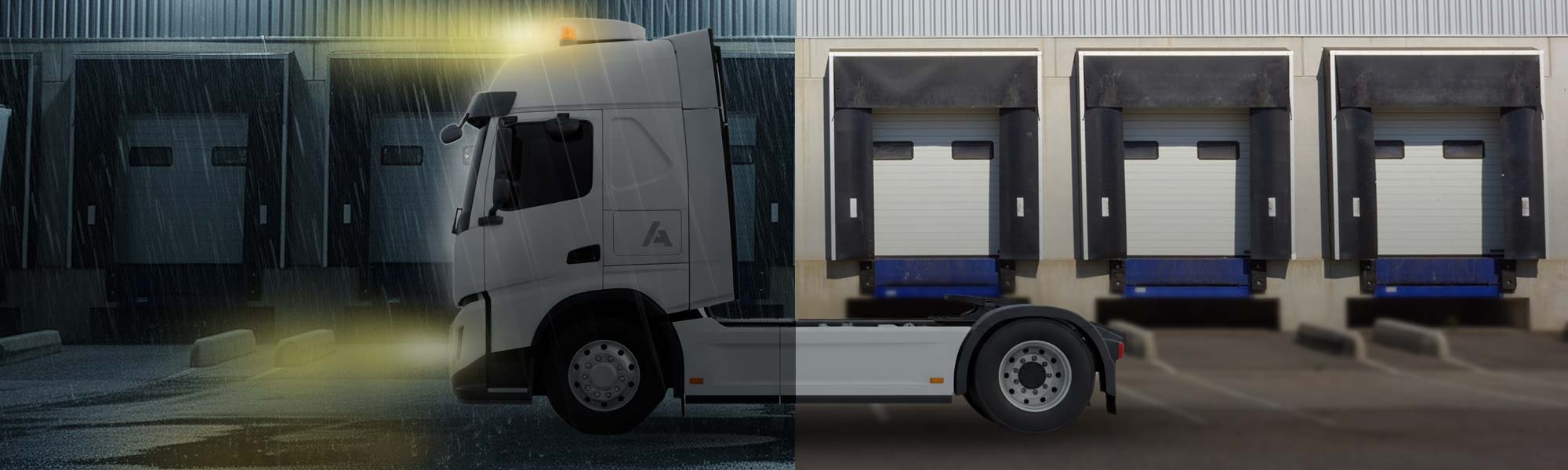
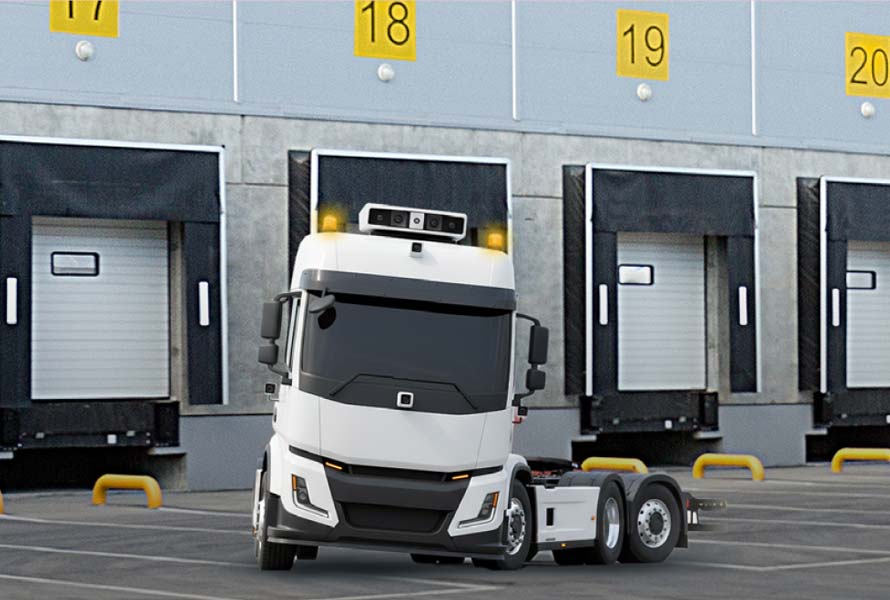
Effectively managing yard logistics can ensure inbound materials are promptly received, sorted, and stored, facilitating quick access for production. Outbound logistics benefit from streamlined processes, enabling faster loading of finished goods onto trucks for delivery. To optimize yard management, an electric autonomous trailer cab was introduced to haul trailers in and out of docks.
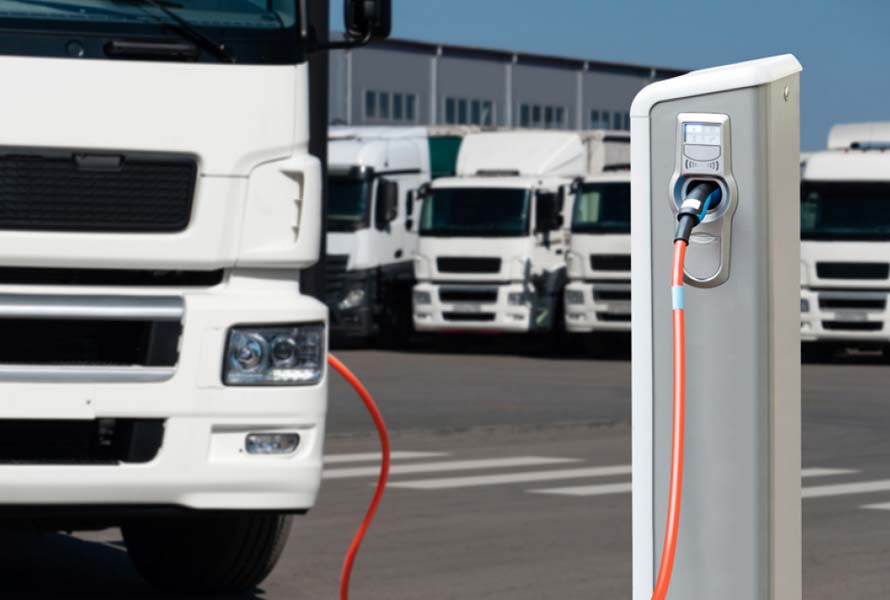
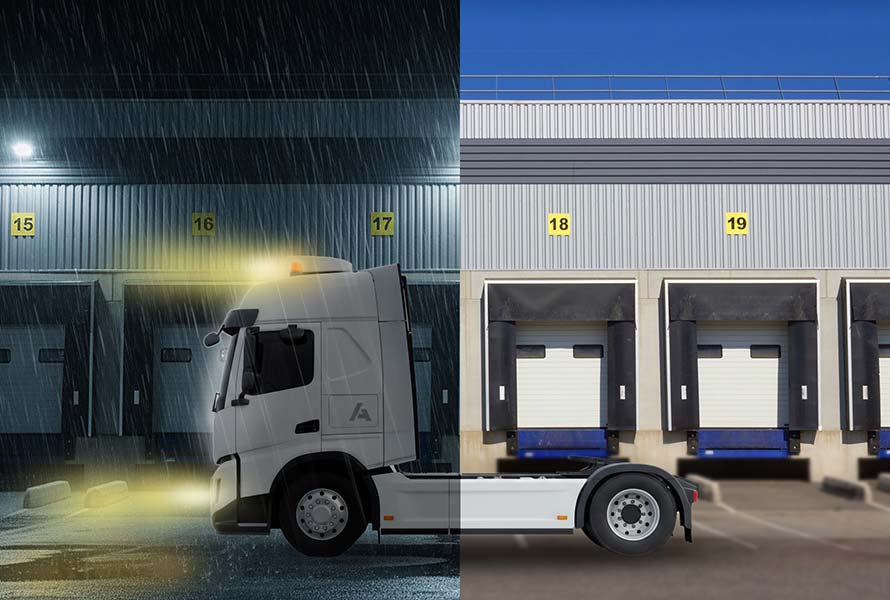
The electric autonomous trailer cab can automatically connect to the trailers, detect and sense the surrounding environment, and make adjustments on the fly necessary for the trailer (depending on the length) to park or turn a corner. Another added bonus is that the autonomous electric trailer cab can operate day and night, 24/7 all year round, and emission-free.
Ultimately, a well-managed yard in manufacturing acts as a critical link between production and transportation, ensuring that goods flow smoothly from factory to customer, meeting delivery schedules, and enhancing customer satisfaction.
Challenges
Being the operation that stands in the way between manufactured goods and customers, it is vital that the autonomous trailer cabs can operate with utmost reliability and consistent performance in outdoor conditions. Unfortunately, the hardware deployed in or on the trailer cab will be subject to environmental conditions. Conditions such as low/ high temperatures, rain, sunlight, and in addition for the machine vision components, lighting conditions and multiple yard objects may interfere with detection.
In addition to challenging environmental conditions, the onboard computer also needs to offer connectivity to cameras, sensors, actuators, etc. to accommodate its vast array of functions.
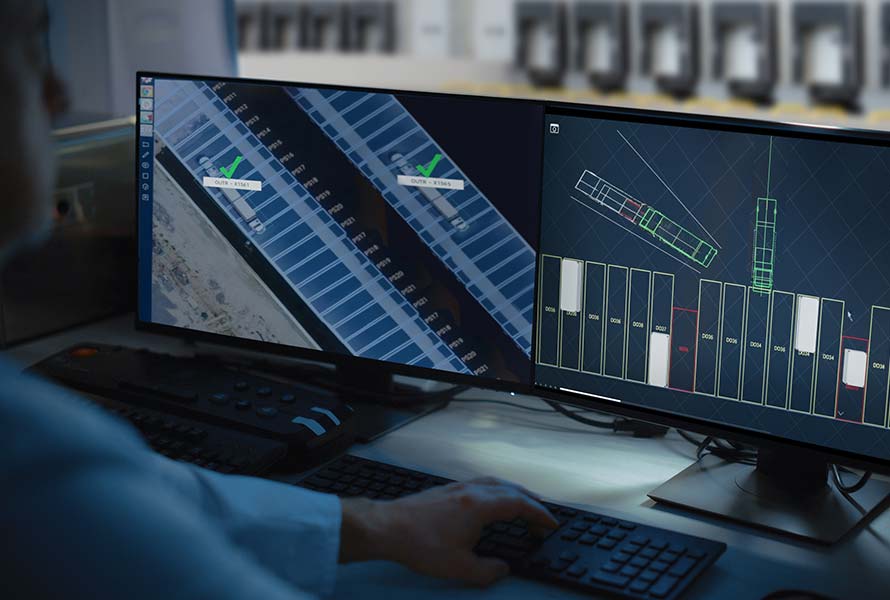
The autonomous trailer cabs are all monitored from the control room, so fast wireless communication must also be established for real-time actions.
Solution
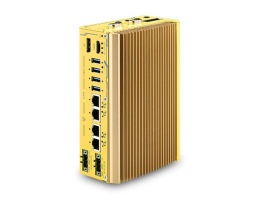
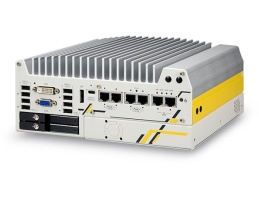
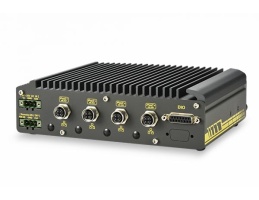
The system integrator chose the E-Mark certified, and EN50155 compliant (EN 50121) Neousys VTC series as the computer to deploy into the autonomous trailer cab.
To complement the functions incorporated into the electric autonomous trailer cab, the system features various connectivity, including PoE+ for cameras via a single cable to provide both data transmission and power delivery; USB3.2 with up to 10Gbps bandwidth; COM, eight digital input/ output ports to connect to sensors and actuators; while SocketCAN offers network-like communication flexibility between in-vehicle applications over traditional CAN bus.
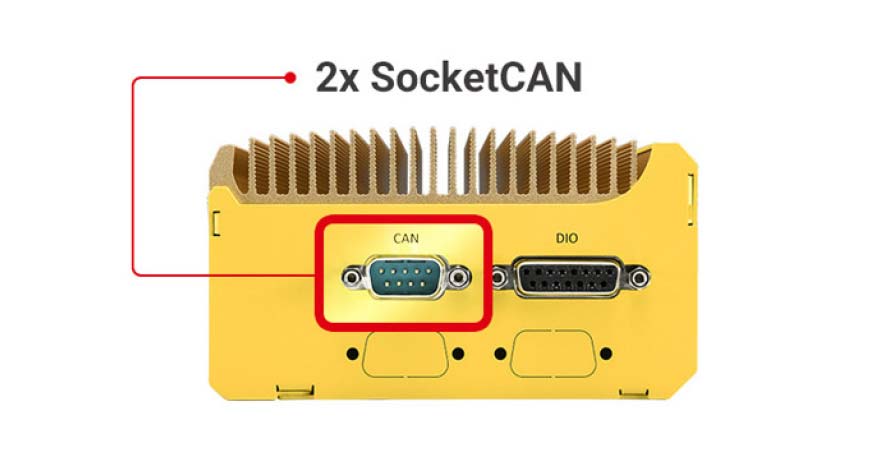
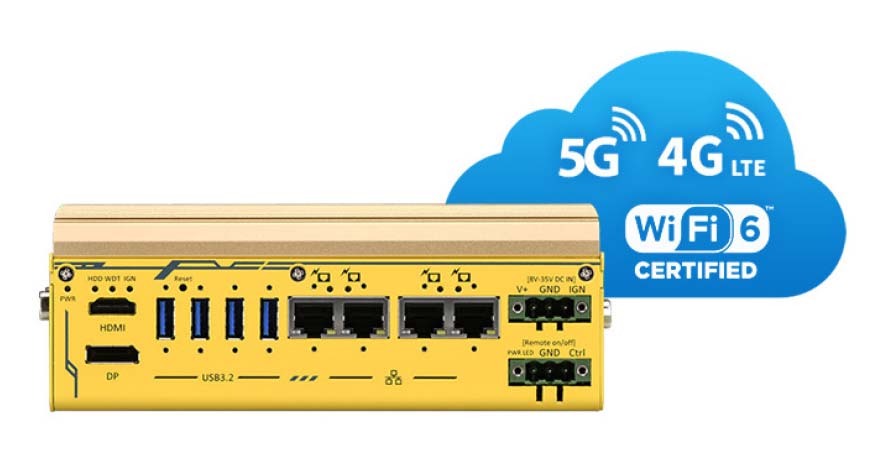
The system also has an array of connections allowing for robotic arm trailer connection, cameras, and sensors to enable electric trailer cab applications such as environment object sensing, fleet management, status monitoring (battery level, task assignment, etc.), predictive maintenance, data logging, etc.
Wireless communication wise, there are two mini-PCIe sockets with SIM slots to install wireless 5G/ 4G or WiFi6/5 modules. The two can work in tandem for redundancy purposes in the field to communicate with the central control room, vehicle to everything (V2X), etc.
Other advantages of Neousys' VTC series include its compact dimensions, coming in at 176 x 116 x 64 mm (6.9" x 4.6” x2.5"); wide range operating temperature, capable of operating between -40°C up to 70°C withstanding hot summers and freezing winters; and wide range 8V to 35V DC input with ignition power control.