Overview
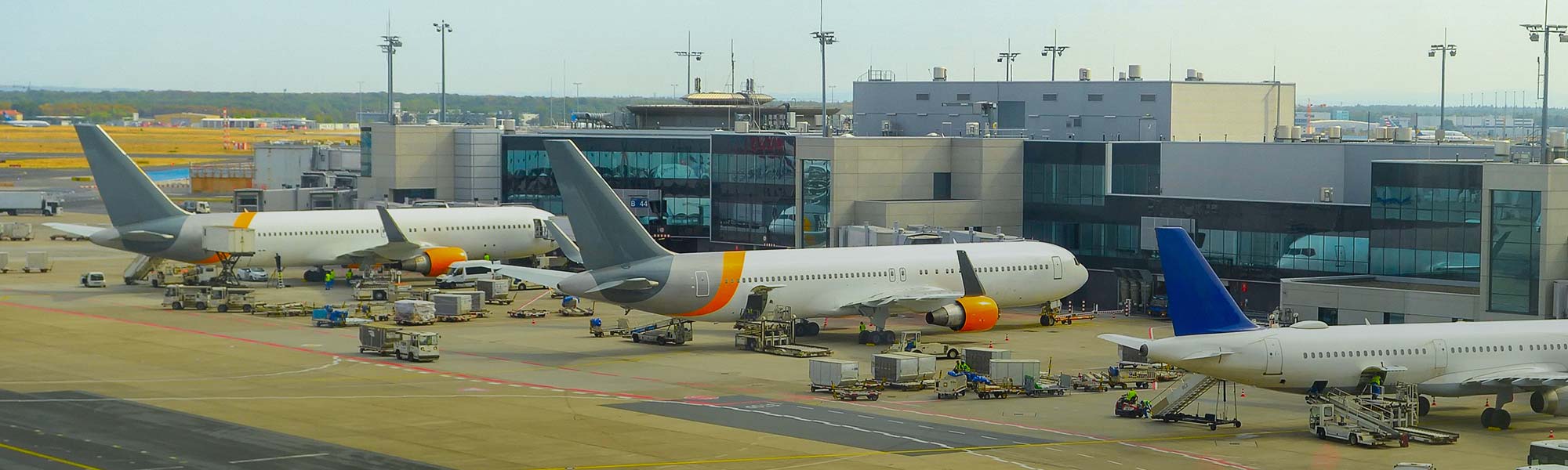
Some of the busiest airports in world accommodate 500 – 1000 flights a day. While the landing and take-off of aircrafts depend on well-organized flight controllers, but once on the ground, aircrafts are often directed by ground traffic controllers.
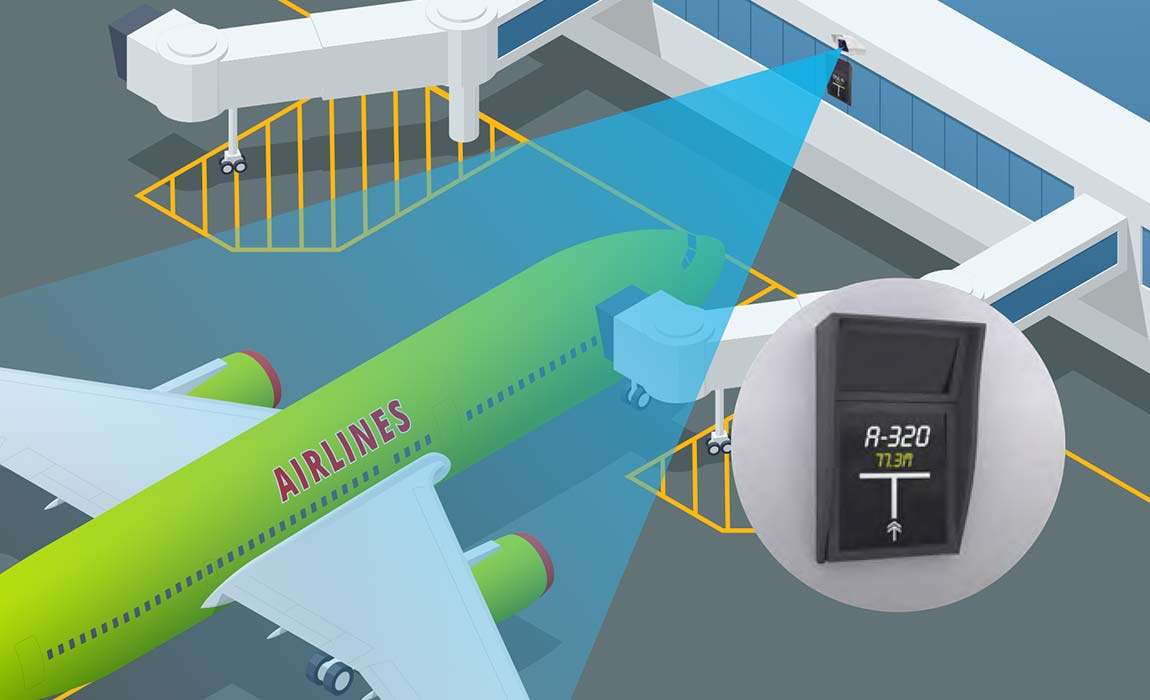
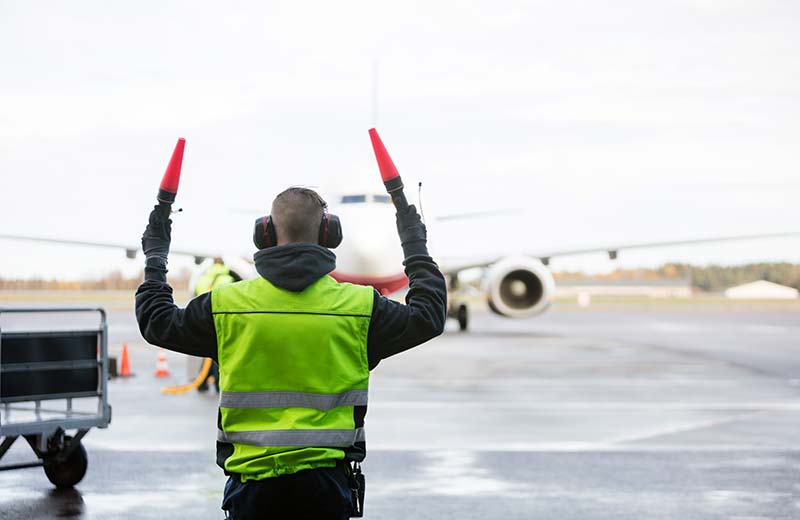
Coming off the landing strip, controllers direct aircrafts toward their designated gate docking terminals, and this is where aircraft maneuvers get tricky. As the aircraft approaches the gate, there are ground vehicles for hauling luggage, service vehicles for food and beverage, hygiene vehicles/ personnel, etc. making the task of docking the aircraft that much more complicated. By implementing electronic displays that can accurately indicate the aircraft’s position in relation to the appropriate gate docking bay position, minimum ground controllers are needed as the aircrafts are accurately guided into position. This system offers efficiency, worker safety, and saves manpower.
 Gate docking controller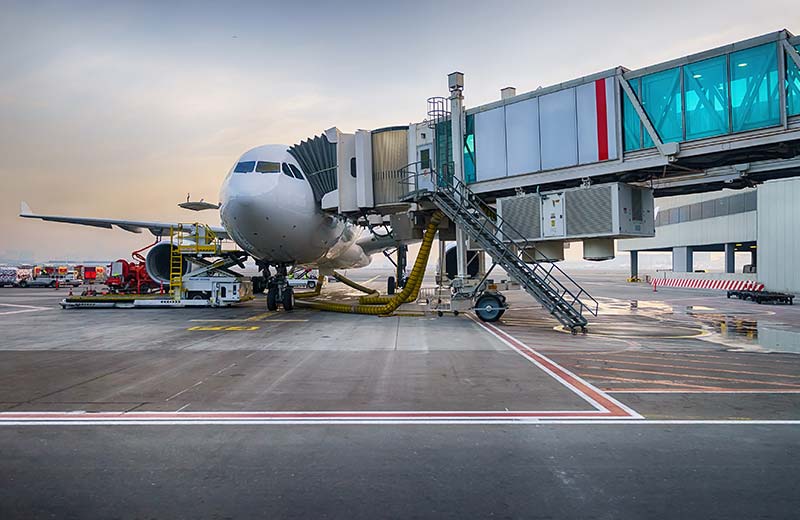
Challenges
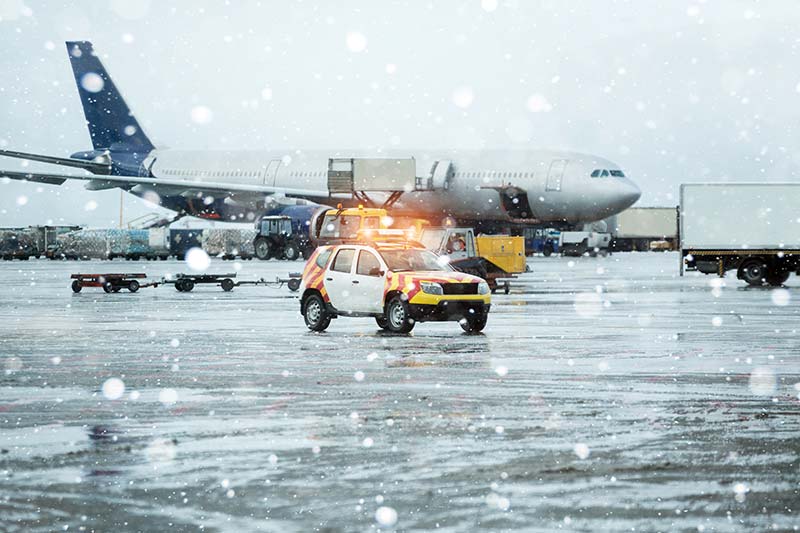
To implement such aircraft gate docking assistance system, the deployed computer system will need to be positioned on the tarmac, at the gates, literally replacing the ground traffic controllers. The computer system must endure several challenges the environment presents:
- Weather: depending on the location of the airport, the system must endure subzero temperatures in the winter, and still operate in the summer when it can reach 40°C – 50°C, not to mention rainy days;
- The powerful aircraft turbine engines produces vibrations that can shake buildings, which the system will also be susceptible to in the field;
- The system must have the communication capability to connect to the airport system for immediate aircraft updates from ground control;
- Image analytic capability and connectivity for sensors and cameras to properly assist the docking aircraft maneuver into position.
- Learn more about Neousys Rugged Embedded Computers: https://www.neousys-tech.com/en/product/product-lines/industrial-computers
- Learn more about Neousys Edge AI GPU Computer: https://www.neousys-tech.com/en/product/product-lines/edge-ai-gpu-computing
Solution
Our solution partner integrated a Neousys rugged embedded system on the tarmac to aid the auto-docking process. Upon arriving at the terminal docking station, the USB/ Ethernet cameras connected to the system will scan the flight number for confirmation. Once confirmed, other cameras pick up the surrounding view of the aircraft, and recreates a relative position of the aircraft to be shown on the electronic display to give the pilot an idea of the aircraft at the docking station.
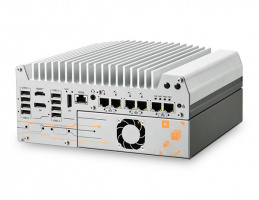
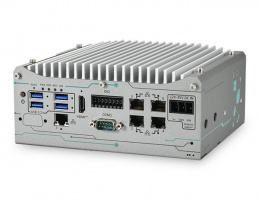
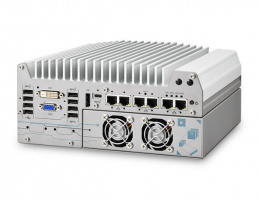
The Neousys system provided rich I/Os to connect to PoE and USB3 camera interfaces to optimize the machine vision component of the solution to locate the doors on each aircraft. Capable of operating between -25°C and 60°C, compliance to EN 50155 shock and vibration certifications, Neousys rugged embedded system can also support a GPU or professional inference accelerator for advance machine learning to identify the relative position of the aircraft for docking. Internal expansion wise, there are mini-PCIe and M.2 slots to accommodate WiFi 6, 5G, or 4G wireless modules to communicate with the airport network system.